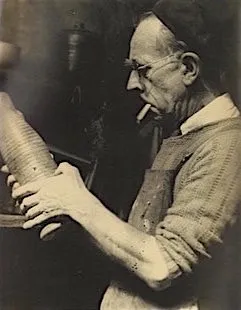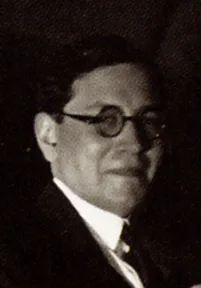
Aristide Colotte
1885 – 1959
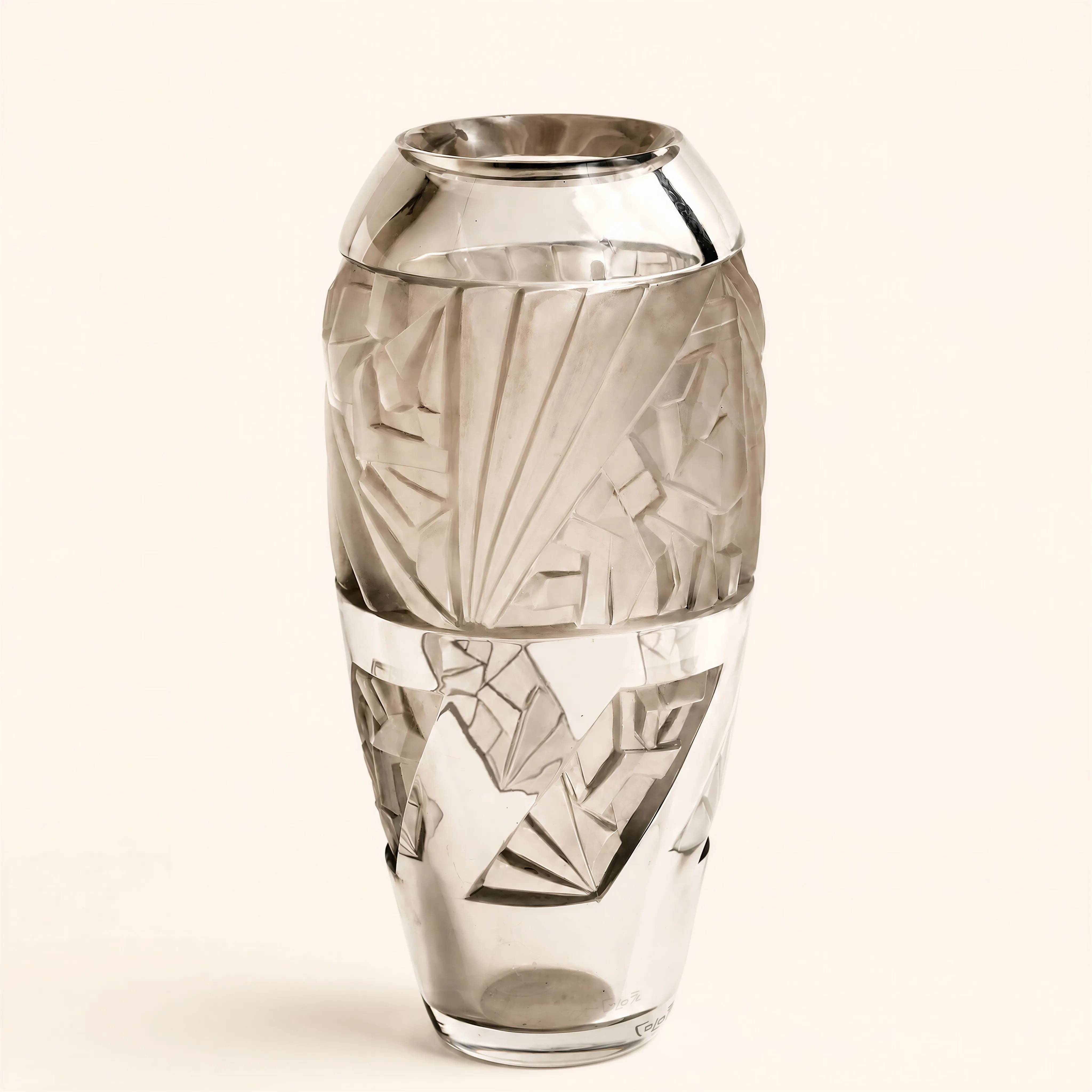
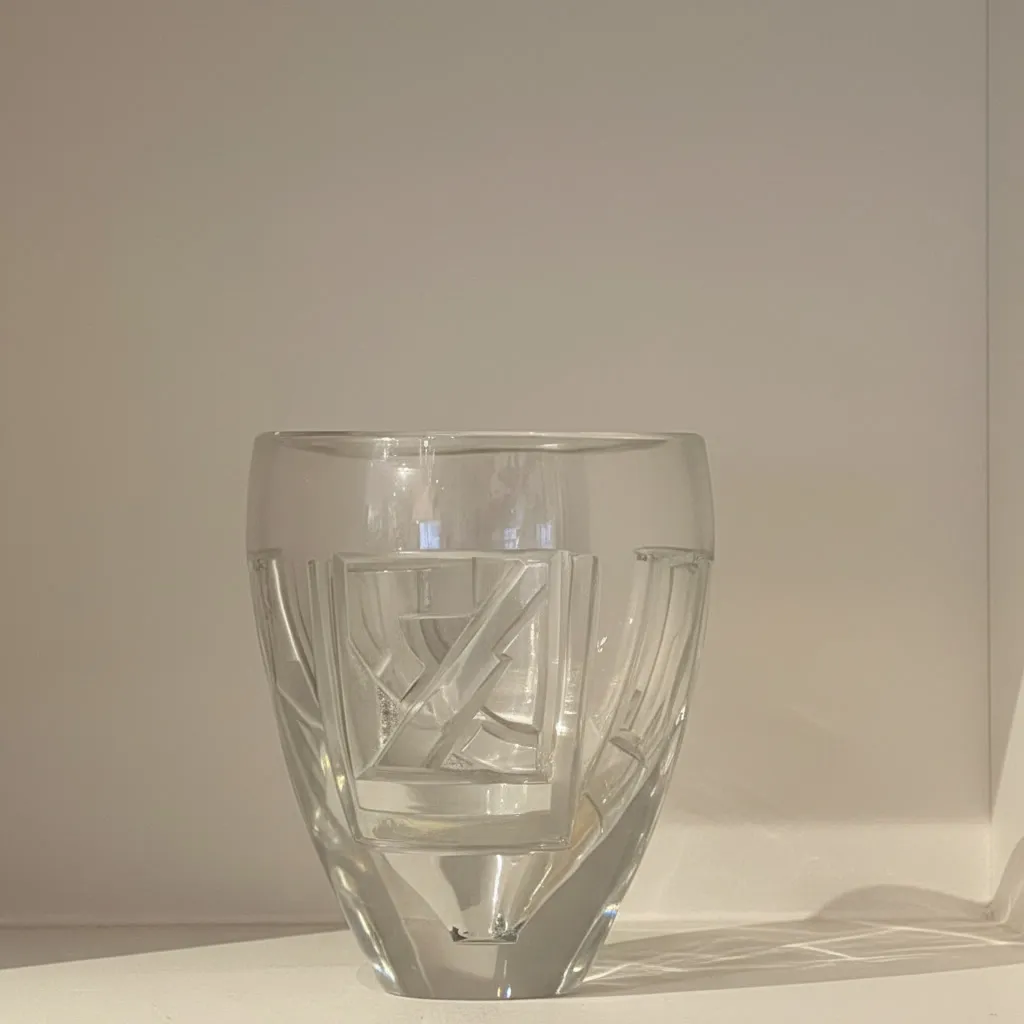
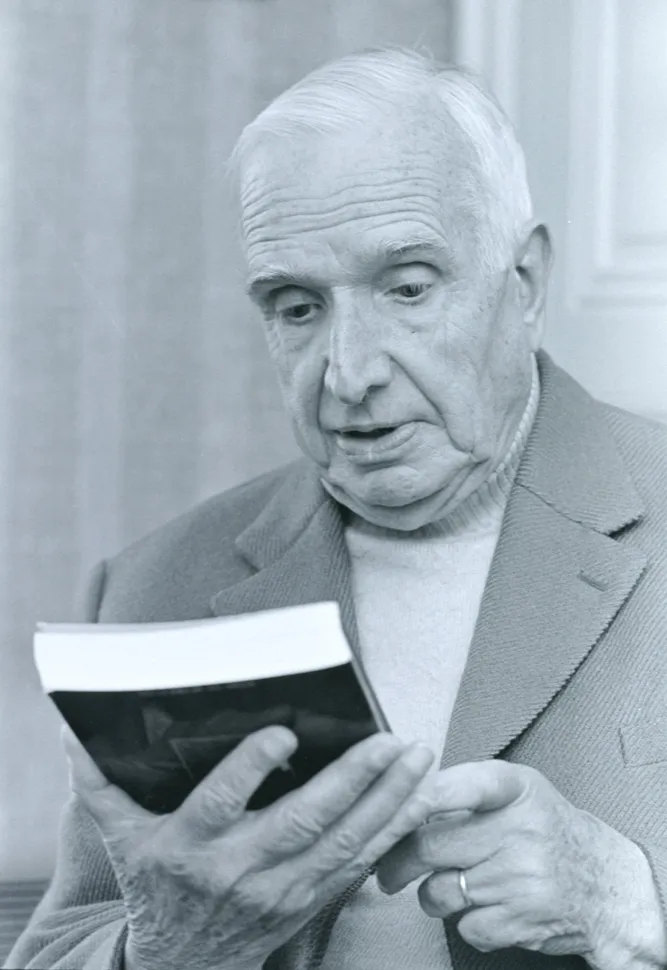
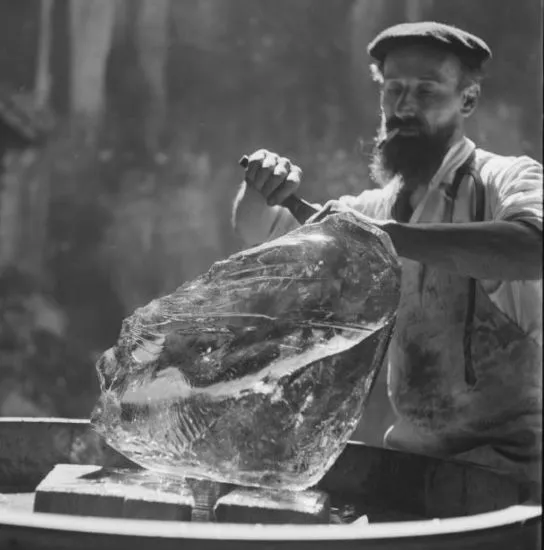
Aristide Colotte (Baccarat, 1885 – Nancy, 1959) was a French sculptor, engraver, and master glassmaker of exceptional technical virtuosity. A pioneer of sculpture on crystal blocks, he transposed the method of "taille directe" (direct carving), traditionally reserved for stone, to the working of raw glass and solid crystal. His unique creations, characterized by massive volumes, deep relief, and striking interplays of shadow and light, count among the most audacious masterpieces of 1930s decorative arts.
Biography
Born into a family of glassmakers, he began his career at the prestigious Cristallerie de Baccarat as an apprentice engraver at the age of sixteen. He acquired a perfect mastery of traditional techniques there before moving to Nancy in 1920 to open his own glass engraving and sculpting workshop.
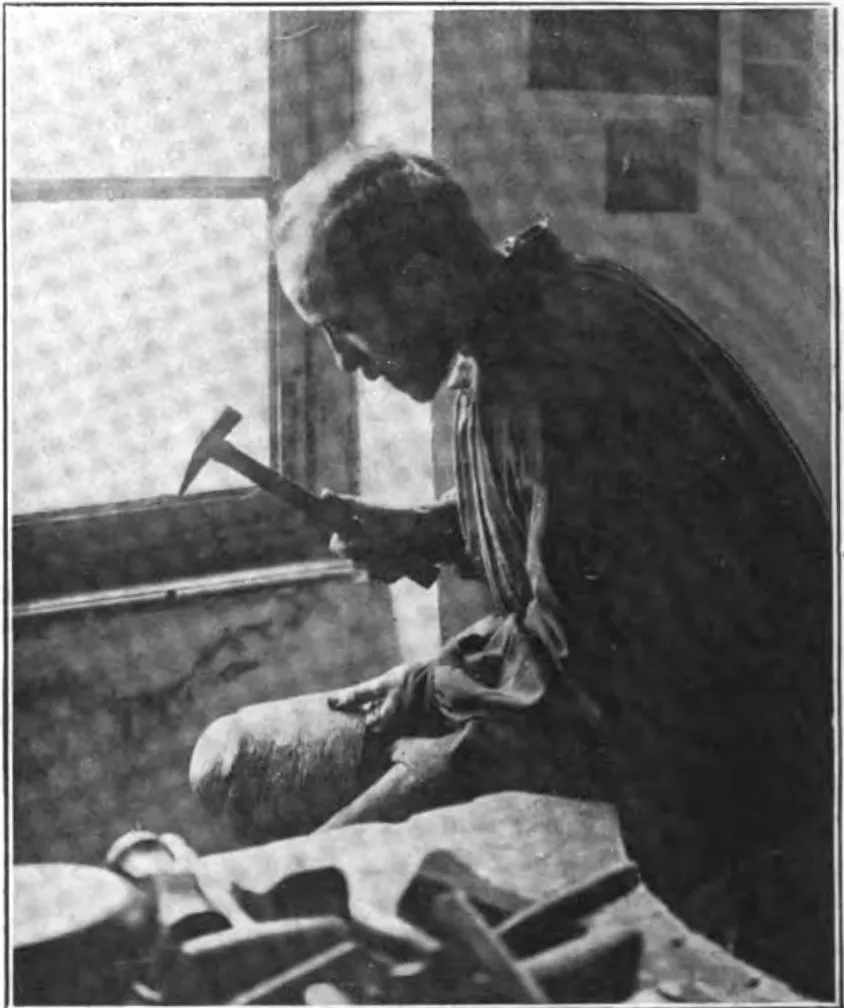
Breaking with traditional glassblowing, Colotte distinguished himself by directly attacking cooled blocks of crystal using grinding wheels, chisels, and burins of his own invention. This unprecedented sculptural approach allowed him to create monumental works, vases, and anthropomorphic pieces of incomparable raw strength.
During the 1930s, his genius was widely celebrated. He received the title of “Meilleur Ouvrier de France” and achieved immense critical success at the 1937 International Exhibition in Paris, where his unique pieces of carved crystal impressed audiences with their modernity and technical power.
His career came to a sudden halt following the Liberation. For having produced prestigious commissioned works under the Vichy regime, notably a crystal sword presented to Marshal Pétain, he was condemned for collaboration, leaving him artistically and socially isolated until his death in 1959.
"Crystal is a hard, rebellious material, but one of absolute nobility. It must not be blown to give it an ephemeral shape; it must be tamed through direct carving, just as a sculptor attacks marble, to make its inner light spring forth.”