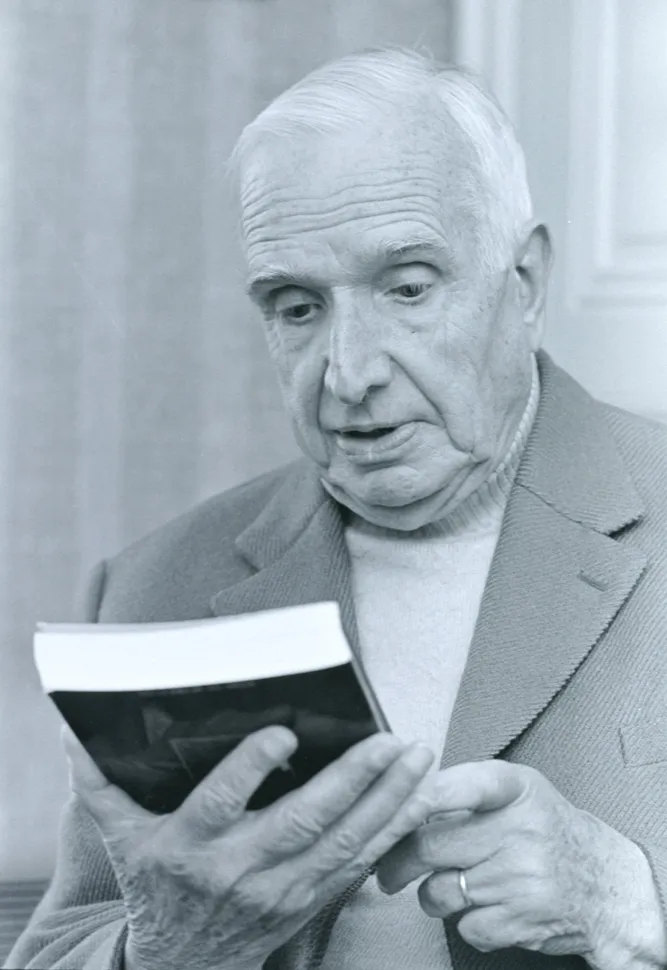
André Sornay
1902 – 2000
André Sornay embodies a major figure of Art Deco and the furniture avant-garde in France, having developed a deeply innovative design approach in Lyon. After receiving his initial training at the École des Beaux-Arts de Lyon, his destiny took a sudden turn in 1919 when his father's passing forced him to take over the family business. From then on, he completely revolutionized the studio's production, shifting from copying classic period furniture to creating pieces with resolutely modern lines. Deeply influenced by the Bauhaus and the De Stijl movements, where seeking a synthesis between art and architecture was a perpetual quest, he aligned himself with designers who sought to conceive new forms perfectly integrated into the framework of modern life.
Biography
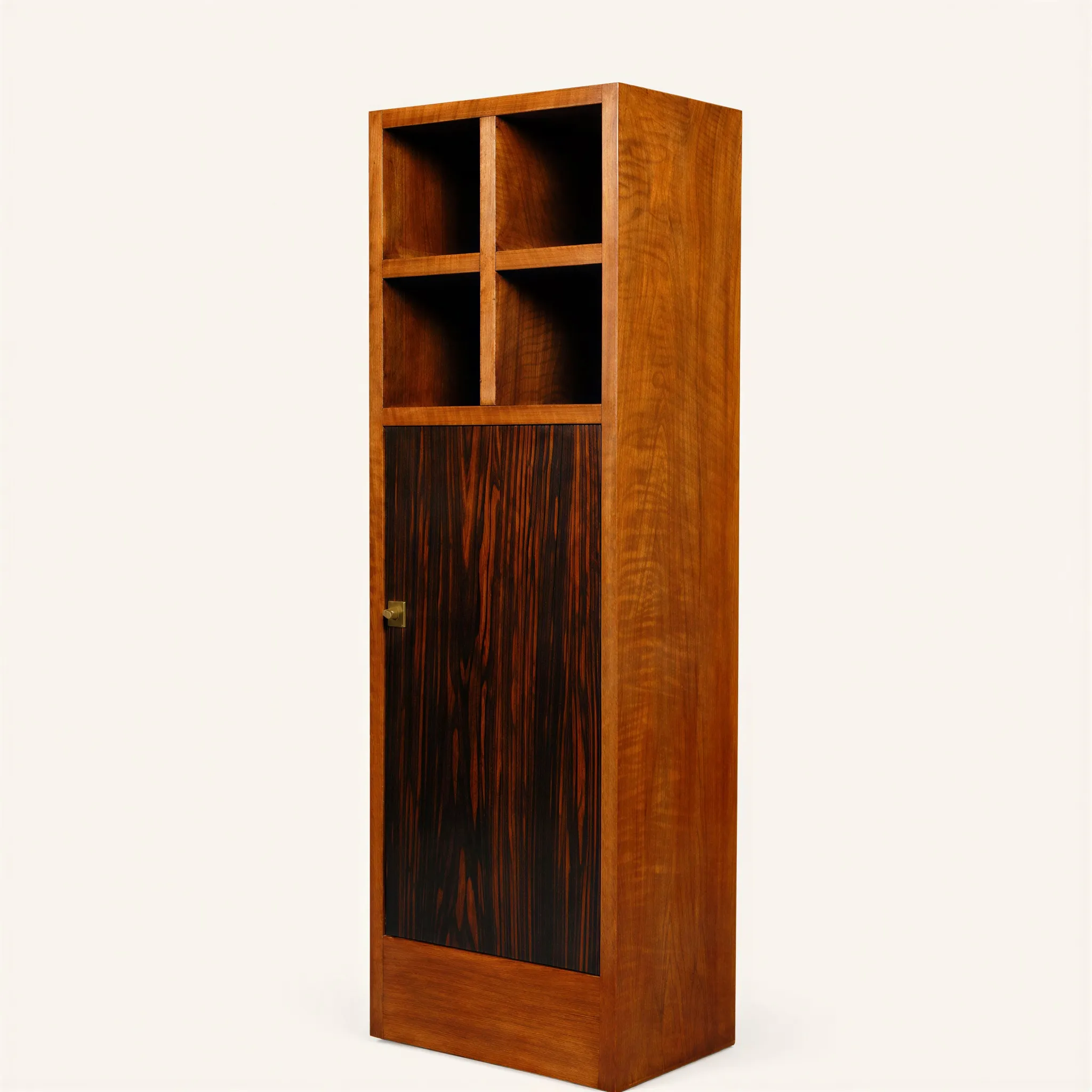
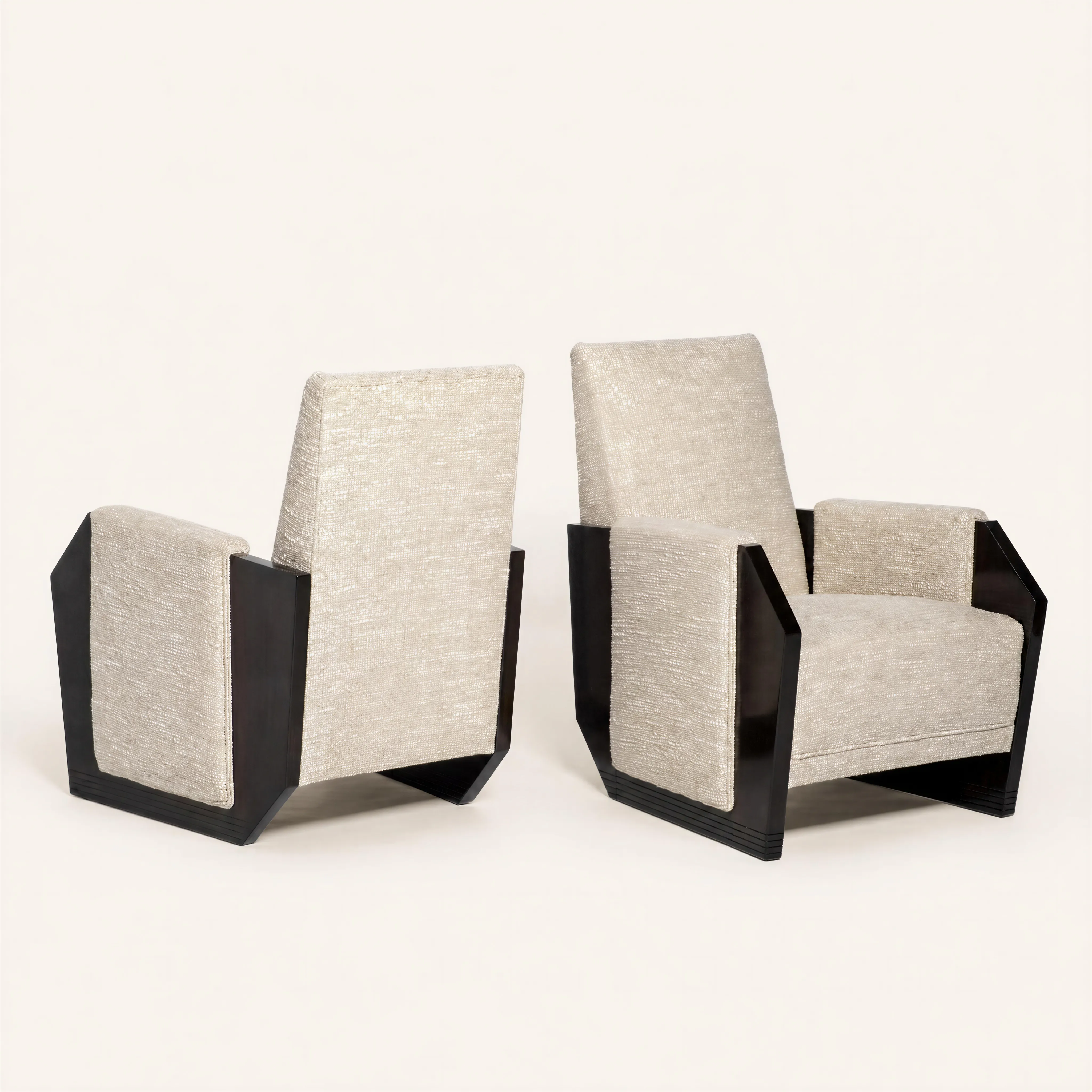
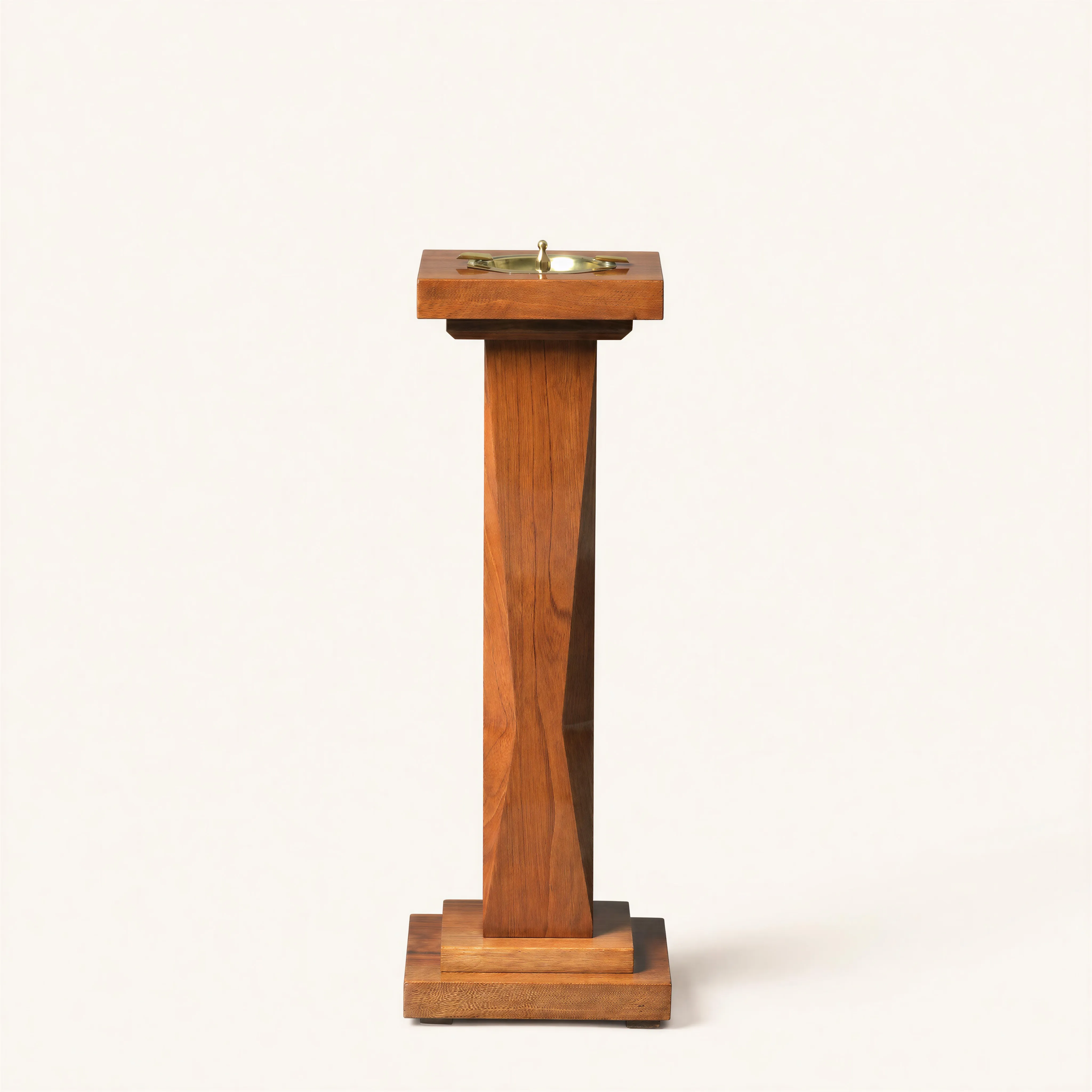
Upon taking over the family firm in 1919, André Sornay put an end to the traditional production of historic furniture copies to introduce an innovative style defined by pure geometric lines and exceptional functionality. His creative ethos rested on balanced proportions and a bold combination of traditional and modern materials, blending precious wood veneers with metal, rubber, permatex, and Duco lacquer. Guided by a highly acute vision of interior space management, he transitioned into an interior decorator for his clientele, which remained largely local.
Confronted with the economic fallout of the 1929 crash, the designer demonstrated remarkable technical inventiveness to sustain his business, leading to a first patent in 1932 centered on a new assembly technique called cloutage (nailing). This specific process allowed thin veneered panels to be securely attached directly to the furniture frame. Rather than hiding these fasteners, he chose to turn them into a major aesthetic asset: the rigorous alignment of the nails became his exclusive decorative trademark and a key design element. This patent led to the production of "clouté furniture" distributed in small series, making his modern designs accessible to the greatest number of people.
Following World War II, the cabinetmaker's technical ingenuity continued with a series of successive patents. After a first post-war patent registered in 1945, he made a significant impact in 1953 by inventing the famous "Sornay tigette," officially recorded as a "combinable and demountable element for furnishing and construction". This mechanical innovation accompanied the global standardization of forms and assembly methods that came to define furniture production throughout the 1950s and 1960s.
Although he primarily chose to exhibit his works at the Salons d'Automne in the city of Lyon, André Sornay participated in two major landmark Parisian exhibitions. In 1925, at the International Exhibition of Modern Decorative and Industrial Arts in Paris, his avant-garde works boggled established conventions and did not yet seem to be truly understood by the public. Twelve years later, at the 1937 International Exhibition of Arts and Techniques in Modern Life, his artistic maturity achieved official acclaim with a bronze medal awarded for the presentation of his personal desk. During the 1950s and 1960s, he shifted his focus toward designing for institutional collectives, while gradually relinquishing the reins of his company to his children.