Atelier d'Accolay
Founded 1945
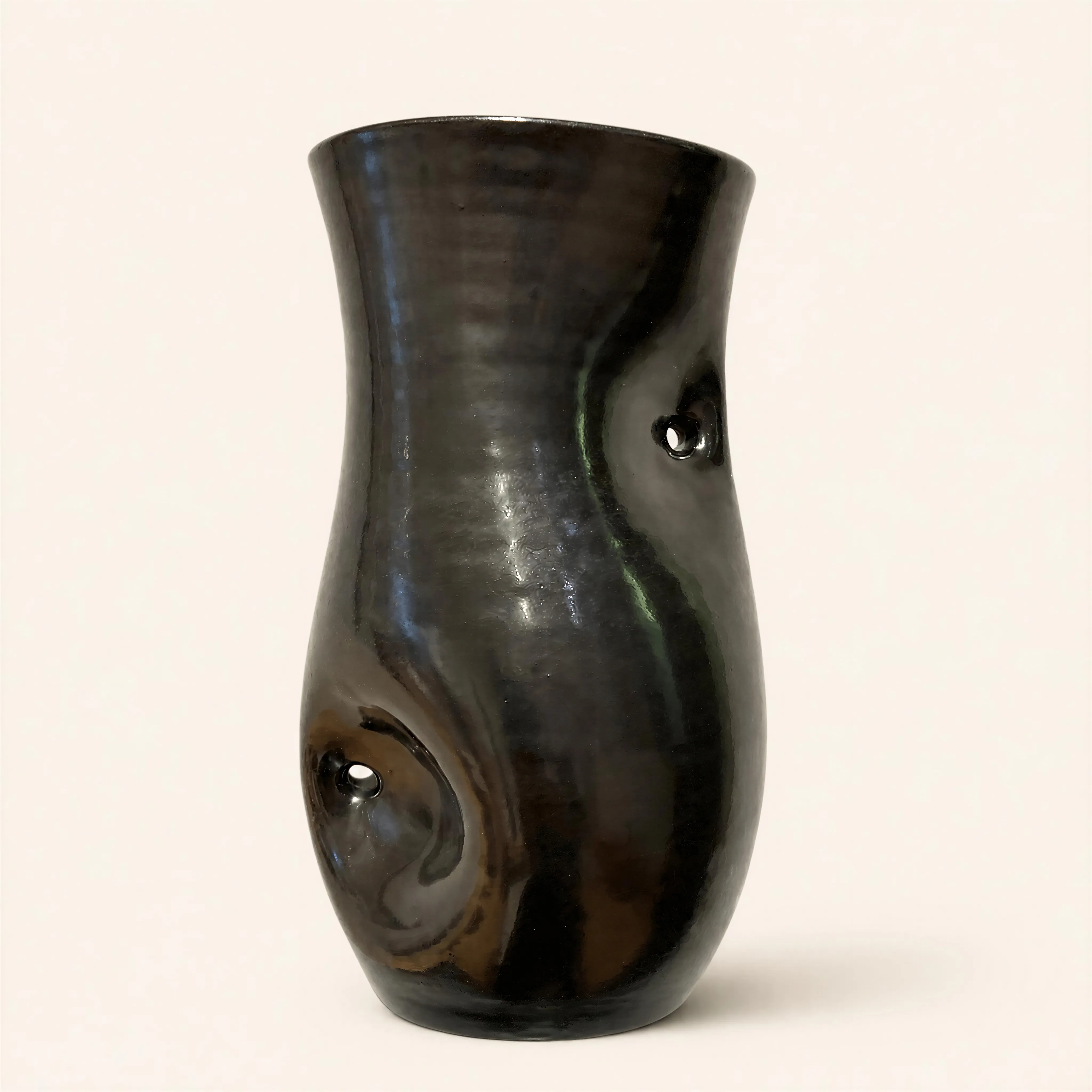
The Atelier d'Accolay refers to a community of ceramicists founded in 1944 in the Yonne region, which became iconic of post-war French pottery. Initiated by André Boutaud and a group of young artists fleeing forced labor during World War II, this collective workshop revolutionized artisanal production through its technical and stylistic inventiveness. Its abundant output, blending chamotte clay, resin inclusions, and famous expressive masks, left a lasting mark on the history of decorative arts with its spirit of freedom and collaboration.
History
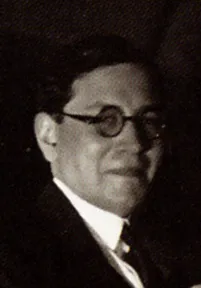
Founded during the depths of World War II by four former students from a Paris ceramics school, the community was born out of a desire to escape forced labor (STO) by gathering in the Burgundian village of Accolay under the leadership of André Boutaud.
The workshop distinguished itself through the use of textured chamotte clay and constant experimentation with new materials. In the 1950s and 1960s, the potters boldly integrated colored resin, glass, and wrought iron into their creations, inventing unique lighting fixtures and decorative objects.
Alongside utilitarian tableware, the workshop gained immense renown for its sculptural pieces, particularly its series of wall masks inspired by primitive or theatrical art, as well as its whimsical stylized animals.
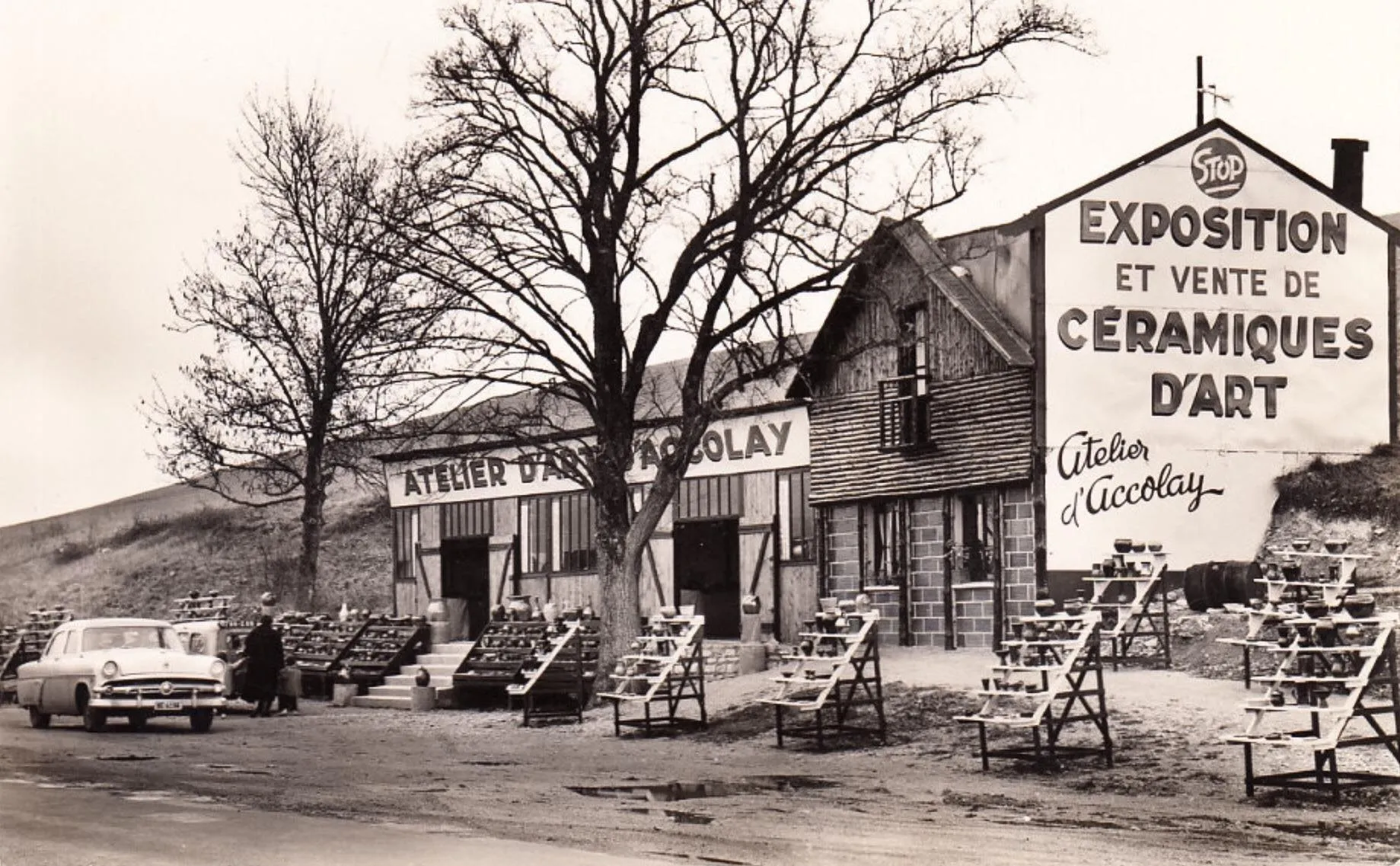
Ideally located along the holiday route to the South of France, the workshop opened permanent open-air stalls along the famous RN6 and RN7 highways. This innovative marketing strategy ensured phenomenal popular success for the community until its definitive closure in the late 1980s.
"A synthesis of technical research and creative fantasy, each piece by the Potiers d'Accolay reflects the spirit of a free craft, made to beautify everyday life.”