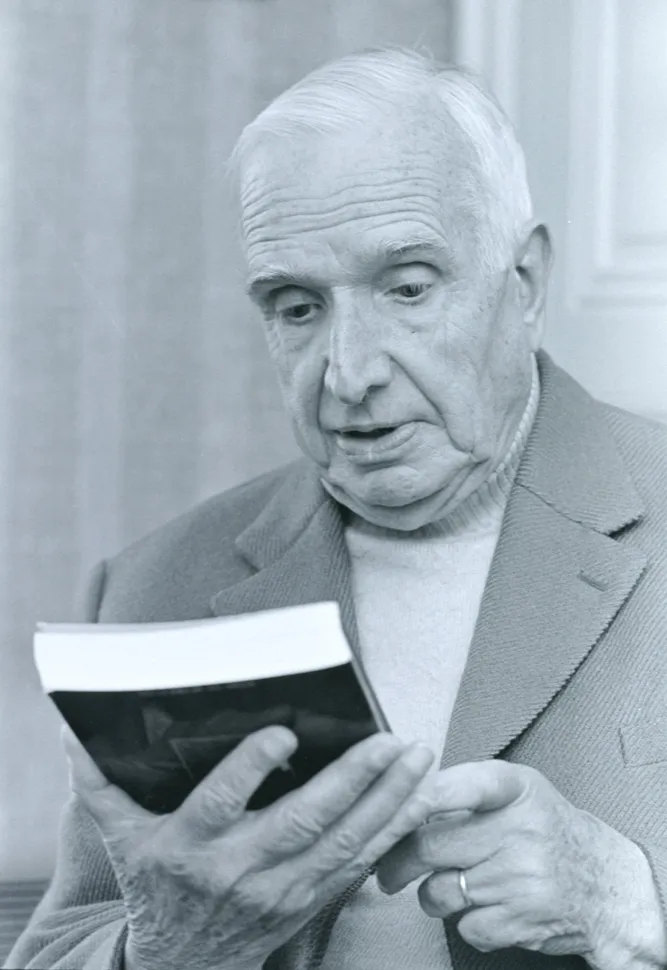
Eugène Printz
1889 – 1948
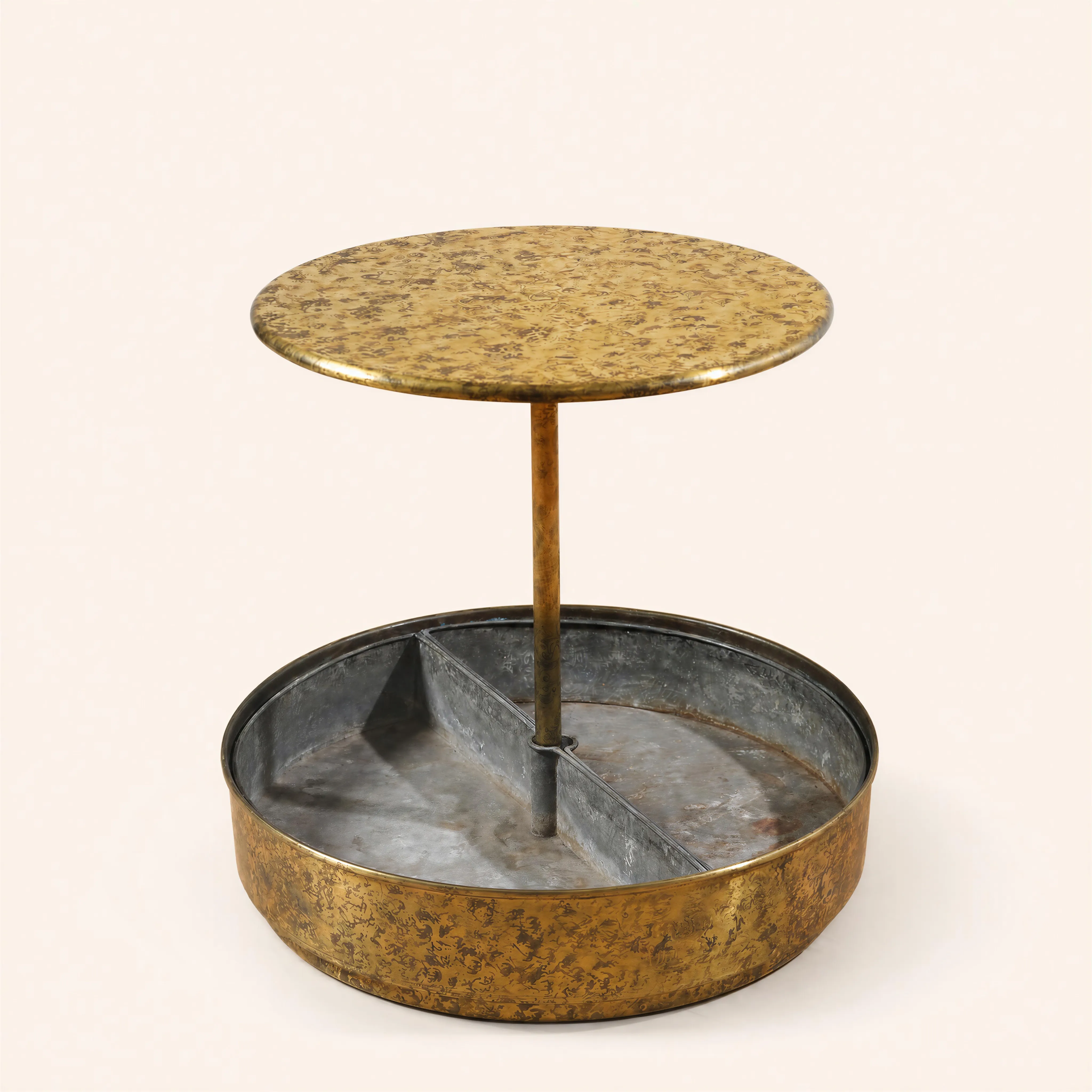
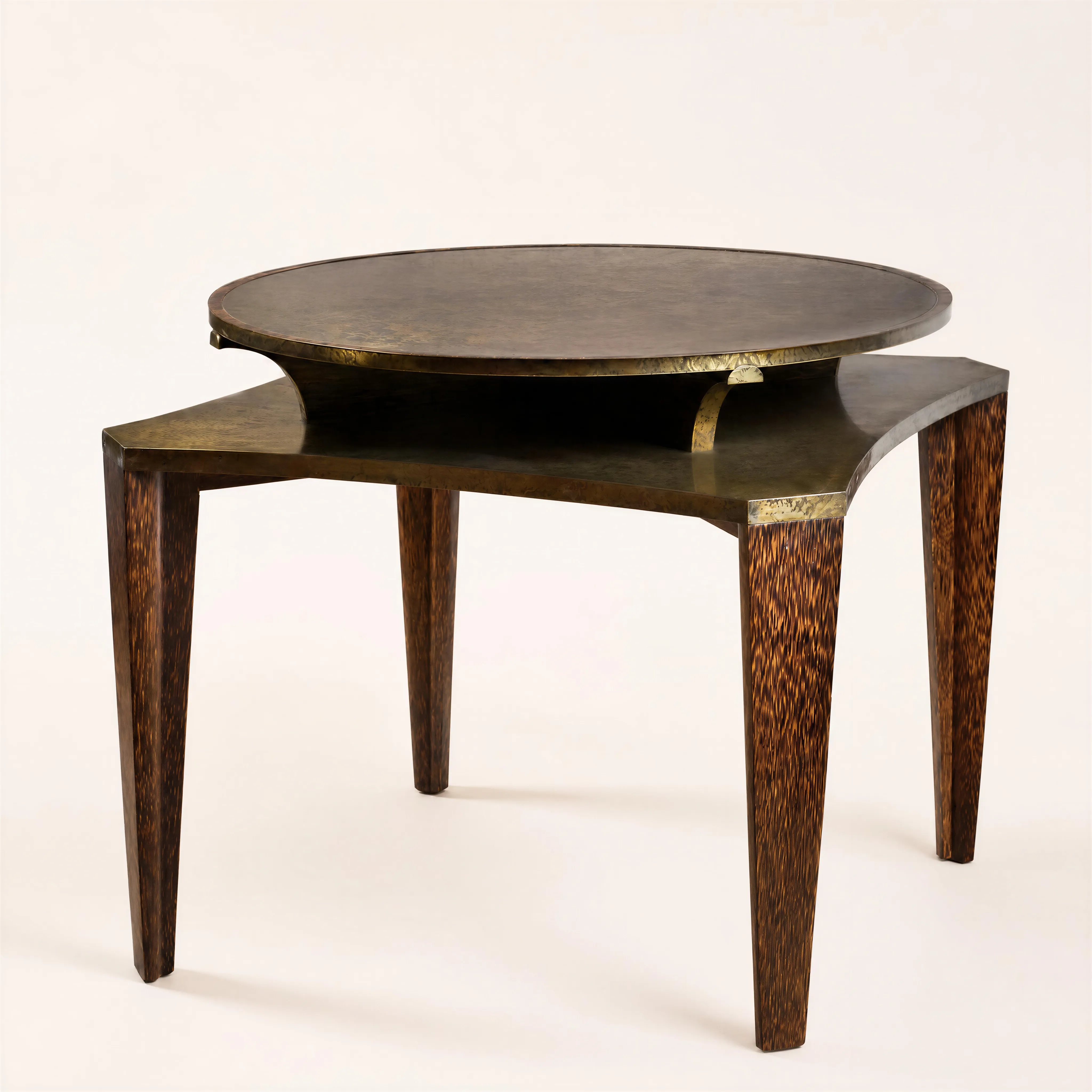
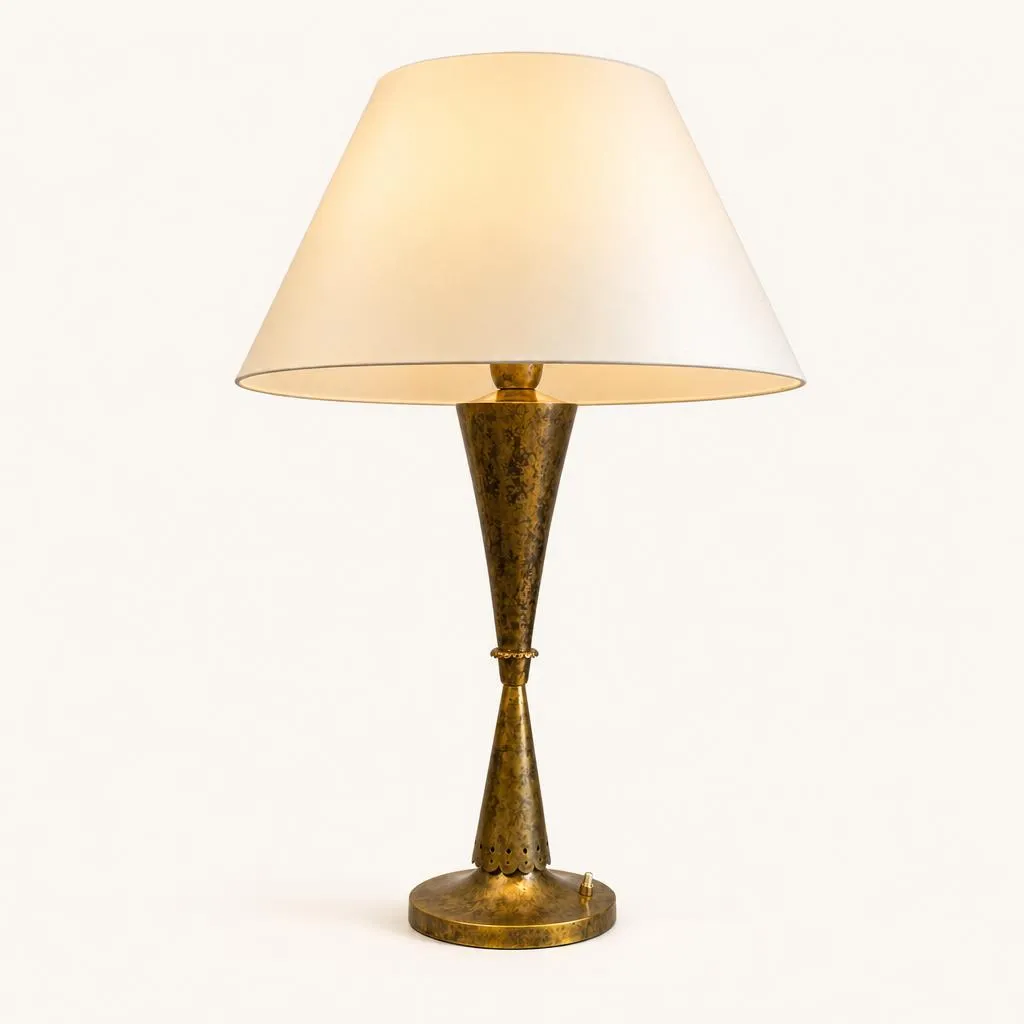
Eugène Printz was a prominent French cabinetmaker and interior designer, and a major, unique figure of the Art Deco period. Renowned for his simultaneously luxurious and rationalist approach to furniture, he left a lasting mark on design history through his revolutionary use of palm wood and highly ingenious patented mechanisms. His exclusive creations, balancing traditional cabinetry with architectural modernity, are today among the most sought-after pieces by top international collectors.
Biography
Trained in his father’s Paris cabinetry workshop, where he initially copied period furniture, he acquired absolute technical mastery of wood before designing his own resolutely modern lines from the 1920s onward.
Printz distinguished himself from his contemporaries through a bold choice of materials, becoming the preeminent specialist in palm wood veneer—a streak-patterned exotic wood particularly difficult to work with, which he paired with elegant oxidized metal or bronze bases.
Convinced that furniture must adapt to modern living, he designed modular pieces equipped with ingenious hidden bearings and hinges, creating extensible tables and credenzas with folding or sliding doors of seamless fluidity.
He achieved immense triumph at the 1931 Colonial Exhibition by furnishing Marshal Lyautey's ceremonial office at the Palais de la Porte Dorée. His prestigious collaborations, notably with master lacquerer Jean Dunand, cemented his reputation as an elite “ensemblier”.
"A piece of furniture must not be an inert mass; it must integrate into the room's architecture and adapt, through its movements and its material, to the demands of modern life.”