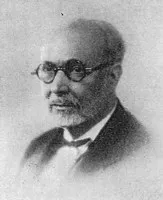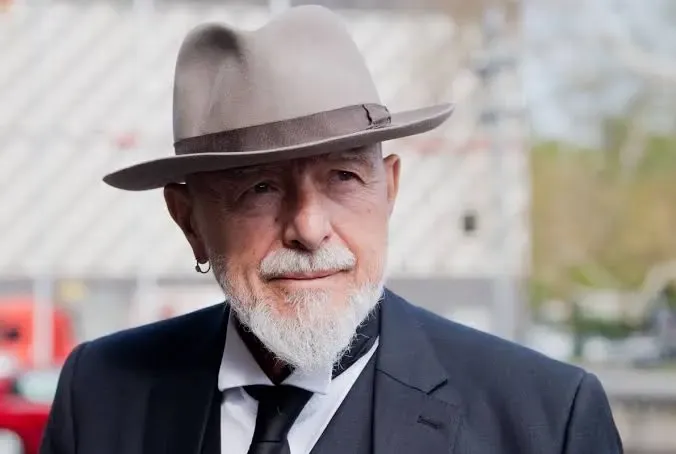
Markus Lüpertz
1941
Markus Lüpertz is a major German painter, sculptor, poet, and jazz musician, standing as a pivotal figure of Neo-Expressionism and the “Neue Wilde” movement. Alongside contemporaries such as Georg Baselitz, Anselm Kiefer, and Jörg Immendorff, he reinvented post-war German painting by breaking away from American abstraction. Famous for his concept of "dithyrambic painting" and his monumental painted bronze sculptures, his work passionately explores mythology, history, and the tragic motifs of the human condition.
Biography
After studying at the art academies of Krefeld and Düsseldorf, he moved to West Berlin in 1962. In 1964, he co-founded the artist-run gallery Großgörschen 35 and formulated "dithyrambic painting" (”dithyrambische Malerei”), a Dionysian-inspired concept merging creative intoxication, powerful motifs, and formal rigor.
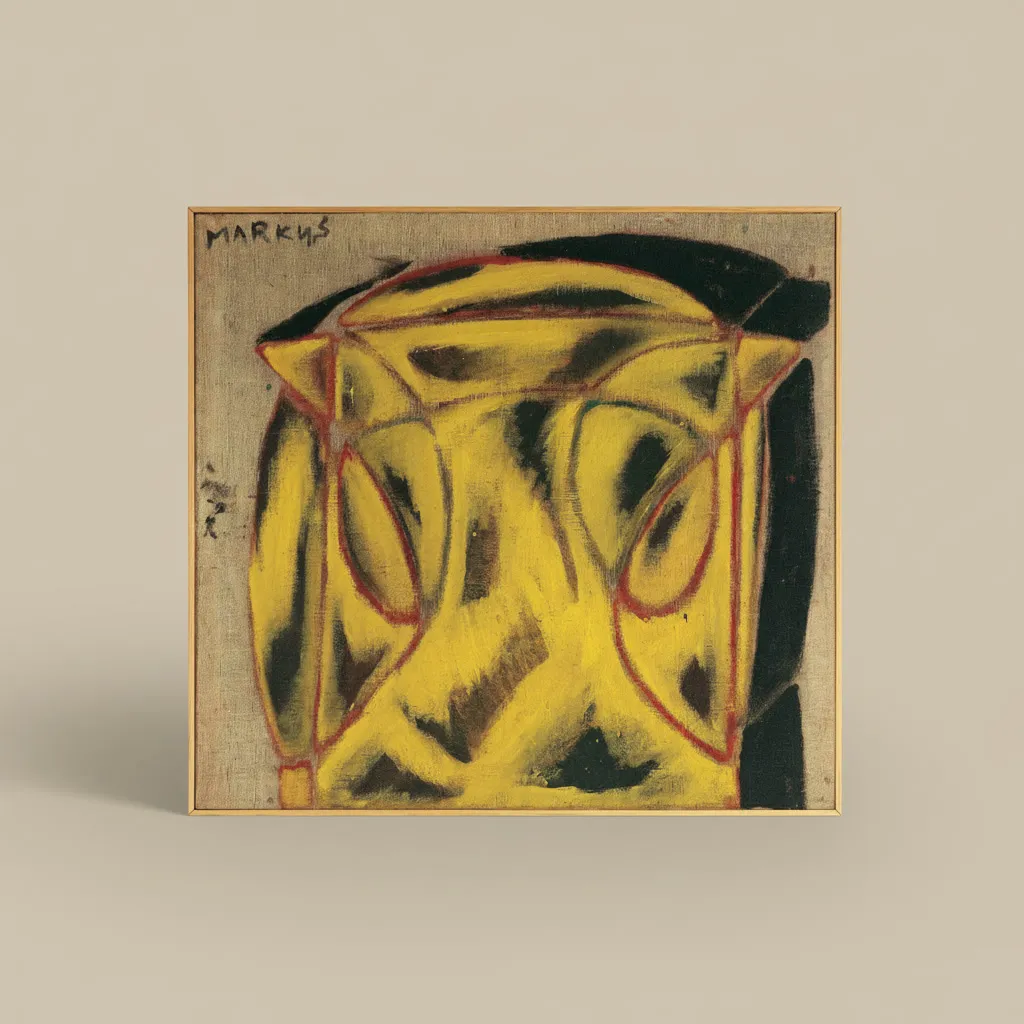
During the 1970s, he directly confronted German war trauma with his famous series of "German Motifs" (”Deutsche Motive”). Featuring steel helmets, military caps, armor, and harvesting equipment, he reinfused contemporary art with intense figurative and symbolic weight.
Starting in the 1980s, he expanded his practice into large-scale polychrome bronze sculpture. His deconstructed, monumental figures (including representations of Hercules, Beethoven, and Mozart) blend classical traditions with Neo-Expressionist distortions, frequently sparking intense public debate.
As the long-serving rector of the prestigious Kunstakademie Düsseldorf from 1988 to 2009, Lüpertz embodies the complete artist: painter, sculptor, poet, set designer, and jazz pianist. His work is exhibited and celebrated in major museums worldwide.
"Painting does not have to explain the world; its task is to exist by itself and to impose its own beauty.”