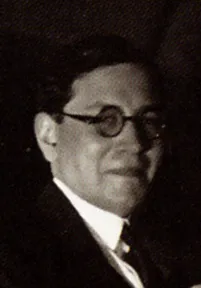
Émile Didier
1890 – 1965
Emile Didier was a French painter and textile designer who became a central figure in the Lyon art scene during the first half of the 20th century. Working both as a silk craftsman and a painter of dense landscapes with occasional Fauvist tones, he skillfully navigated between tradition, Cubism, and the avant-garde. As a co-founder of the famous Salon du Sud-Est, he left a lasting mark on regional art history through his integrity, honesty, and creative fervor.
Biography
Emile Didier studied at the École des Beaux-Arts de Lyon from 1904 to 1910. He followed his calling there by becoming a "dessinandier" (silk factory designer) and specialized as a card cutter for the figured patterns of mechanical looms. Later, after his time with the Ziniar group, he took over the management of a design office entirely dedicated to the silk industry.
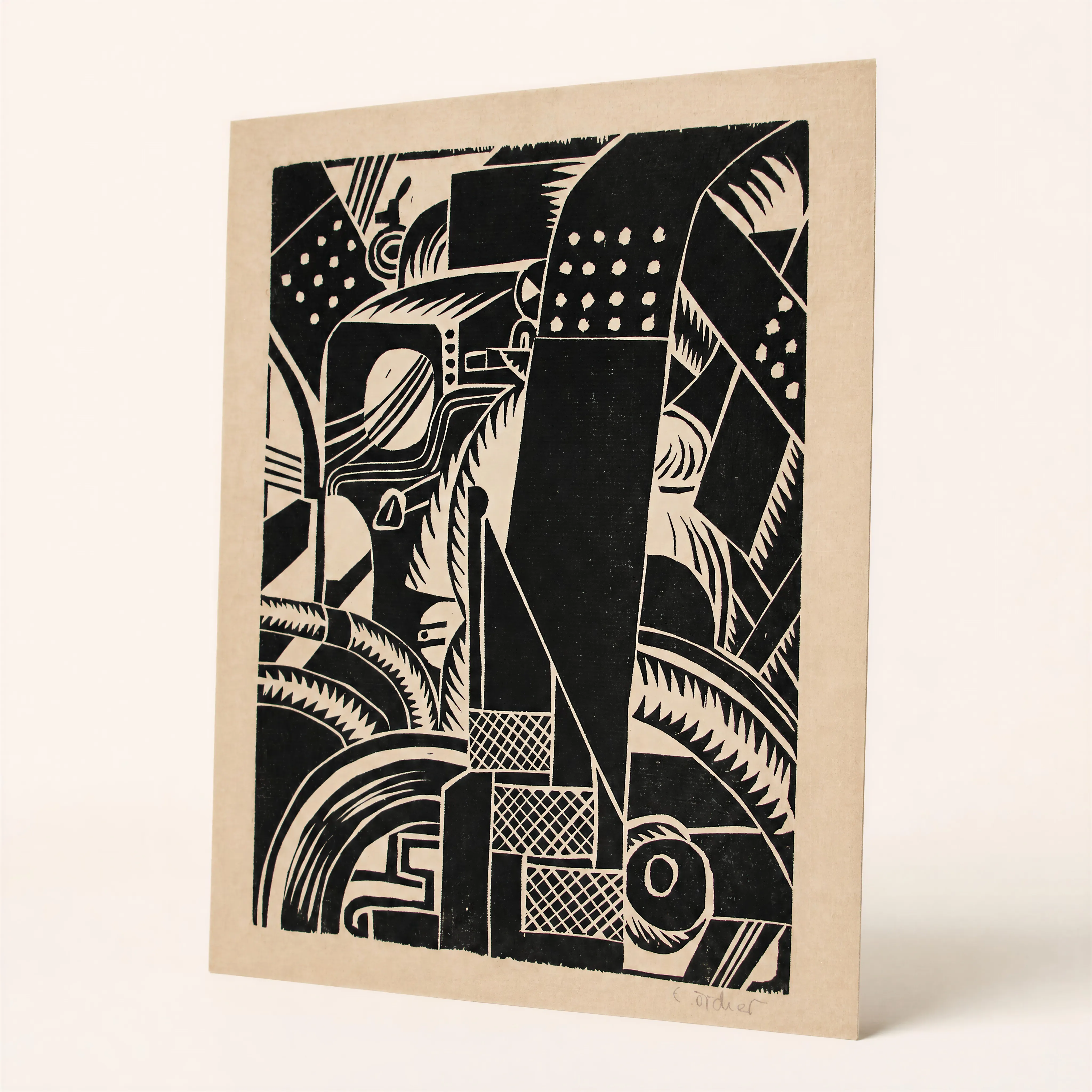
While he mainly exhibited landscapes, figures, and still lifes, he was temporarily tempted by Cubism. This turn was inspired by his friend, the architect and painter Louis Thomas (close to Tony Garnier and a follower of the ideas developed by Fernand Léger and Albert Gleizes). Following this experimental phase, Didier returned to painting dense landscapes touched by Fauvism, which he executed in his studio based on simple, light sketches made on-site.
During the Ziniar period, he was actively involved in local cultural life by contributing to the Lyon avant-garde journals « Promenoir et Manomètre », directed by Dr. Emile Malespine between 1922 and 1928. Regarding exhibitions, he presented his works at the Salon d'Automne de Lyon until 1923. He then became one of the founding members of the Salon du Sud-Est, where he exhibited regularly until his death in 1965.