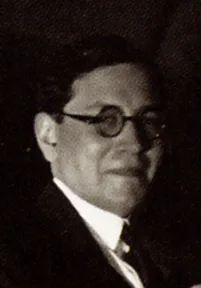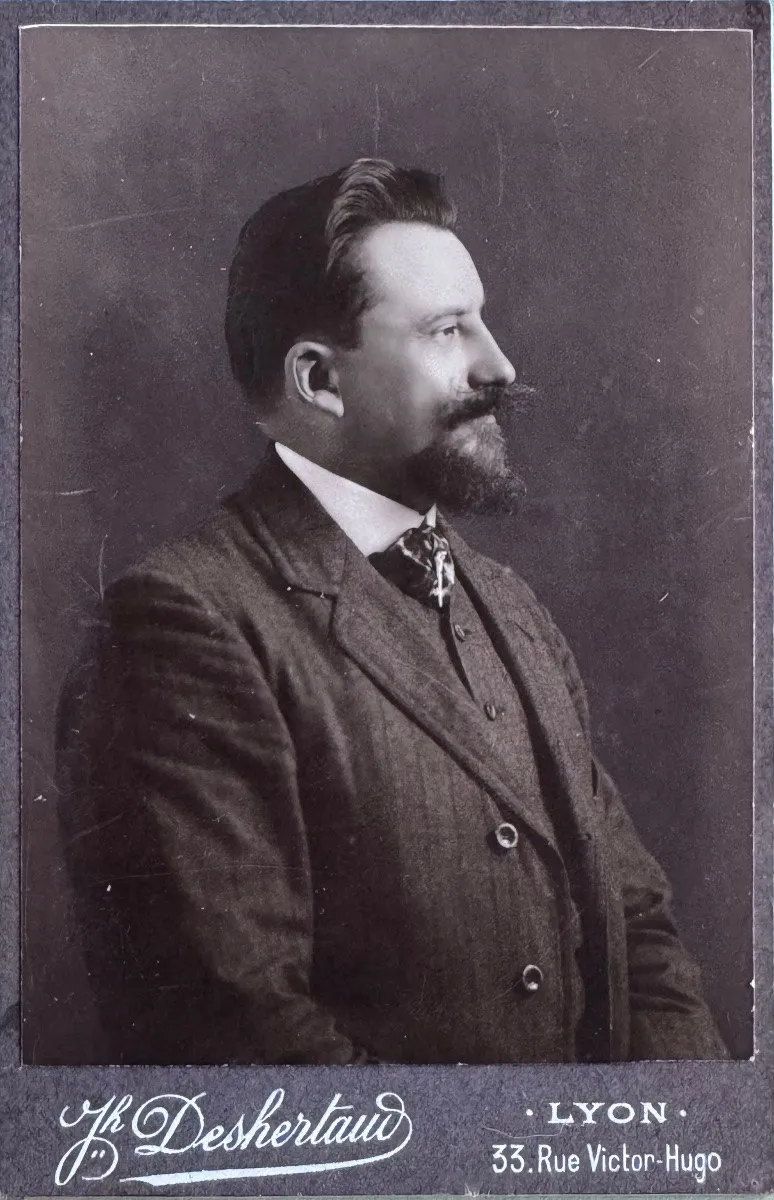
Léon Brunard
1872 – 1931
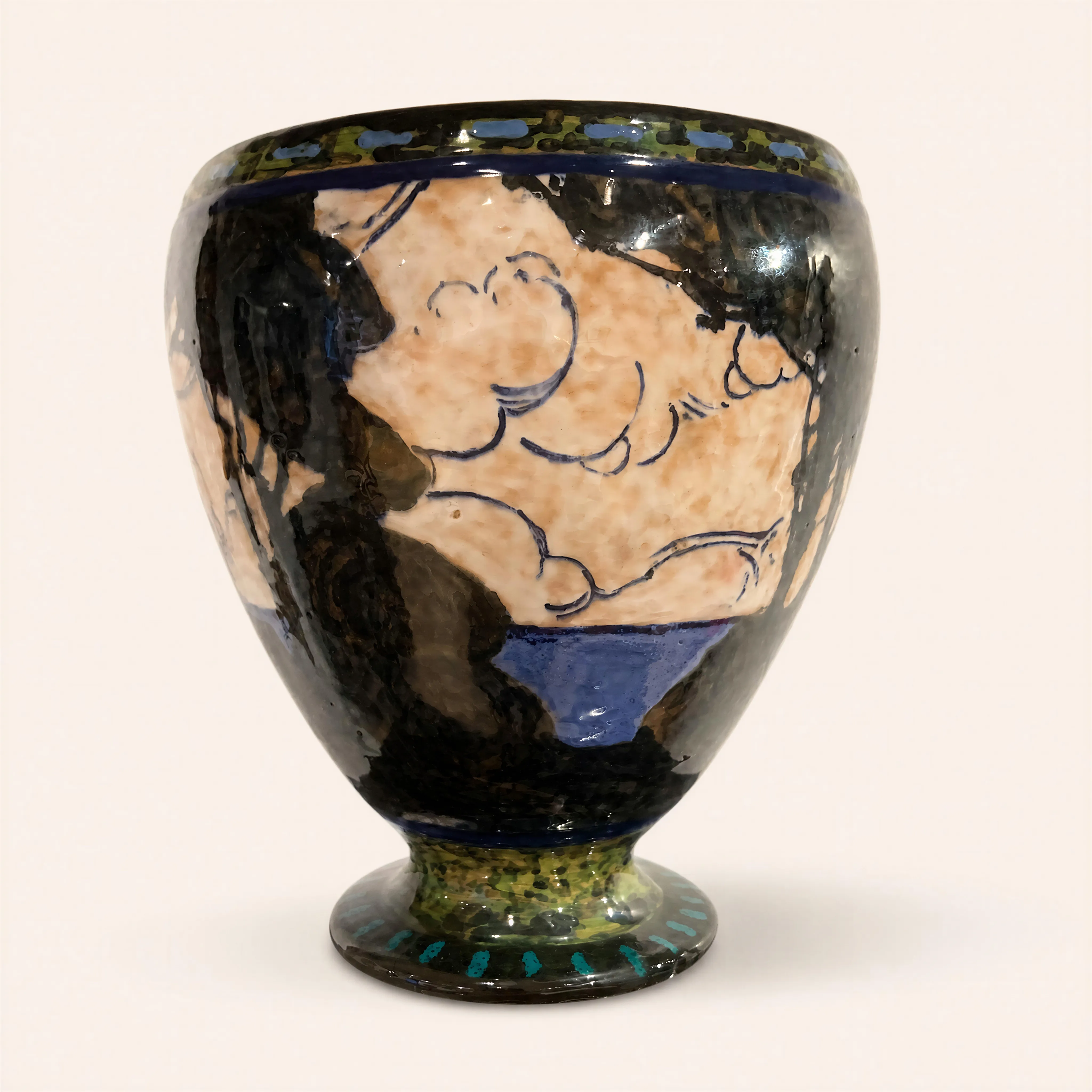
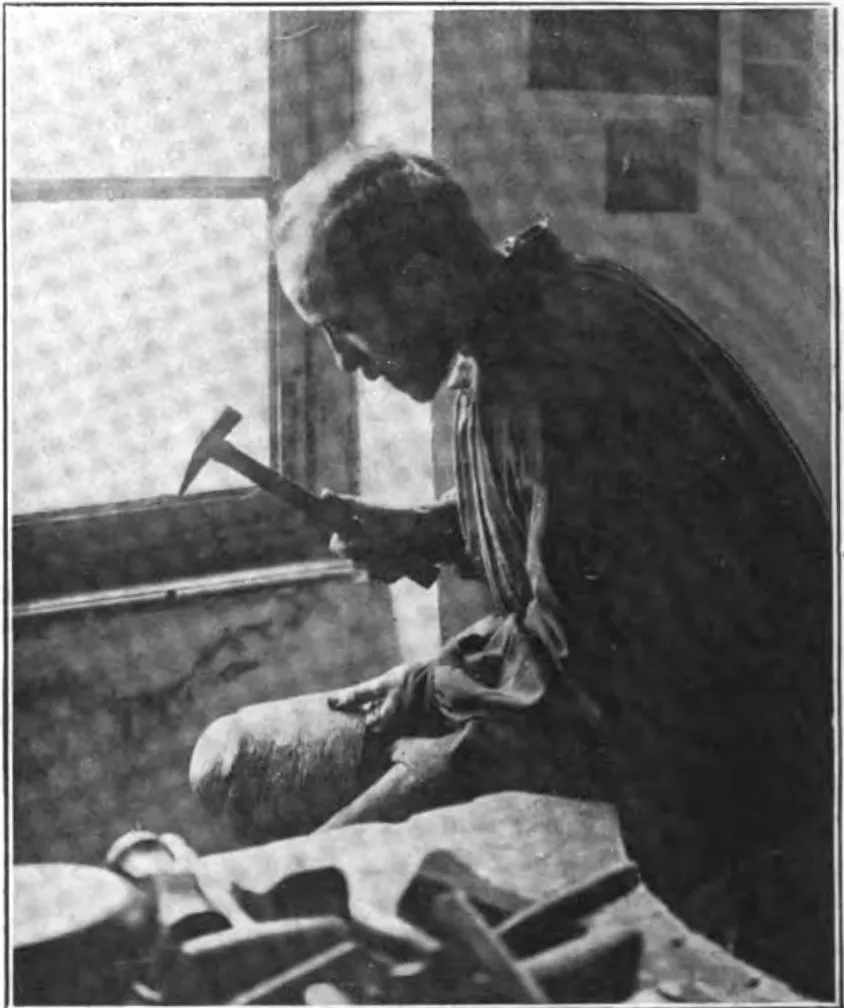
Léon Brunard was a French ceramicist, painter, and “dinandier” (metalsmith), and a singular figure of the Lyon School at the turn of the 20th century. Known both for his paintings exhibited at the Salon de Lyon and for his decorative art creations in enameled ceramics and metalwork, he navigated seamlessly from Art Nouveau to the more streamlined lines of Art Deco. His works, characterized by stylized floral or geometric patterns with thick enamels, are prominently featured today in the collections of the Musée des Beaux-Arts in Lyon.
Biography
Born in Bourg-en-Bresse, Léon Brunard spent most of his career in the Lyon region, fully immersing himself in the artistic ferment of the Lyon School of his time. He developed a demanding, multidisciplinary practice there, refusing to be confined to a single technique.
Before making a name for himself in the "arts of fire" (ceramics and enamels), he was first a recognized painter. He notably exhibited at the Salon de Lyon, presenting highly regarded oil paintings, including large, intimate portraits demonstrating strong psychological acuity.
It was in the decorative arts, however, that he left his finest mark. He created vases in both ceramic and “dinanderie” (hammered metalwork), covering them with thick polychrome enamels. His style evolved organically, transitioning from the traditional floral motifs of Art Nouveau (sunflowers, foliage) to purely Art Deco blue and beige geometric patterns in the 1920s
A discreet artist with a meticulous output, he passed away in Caluire in 1931. While his fame remained largely regional over the decades, the high technical quality of his work earned him significant institutional recognition: several of his ceramics and enameled vases were acquired by the State and the Musée des Beaux-Arts in Lyon.