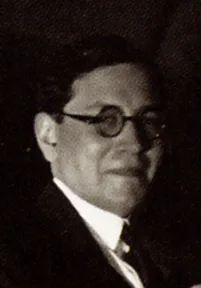
Maurice Daurat
1880 – 1969
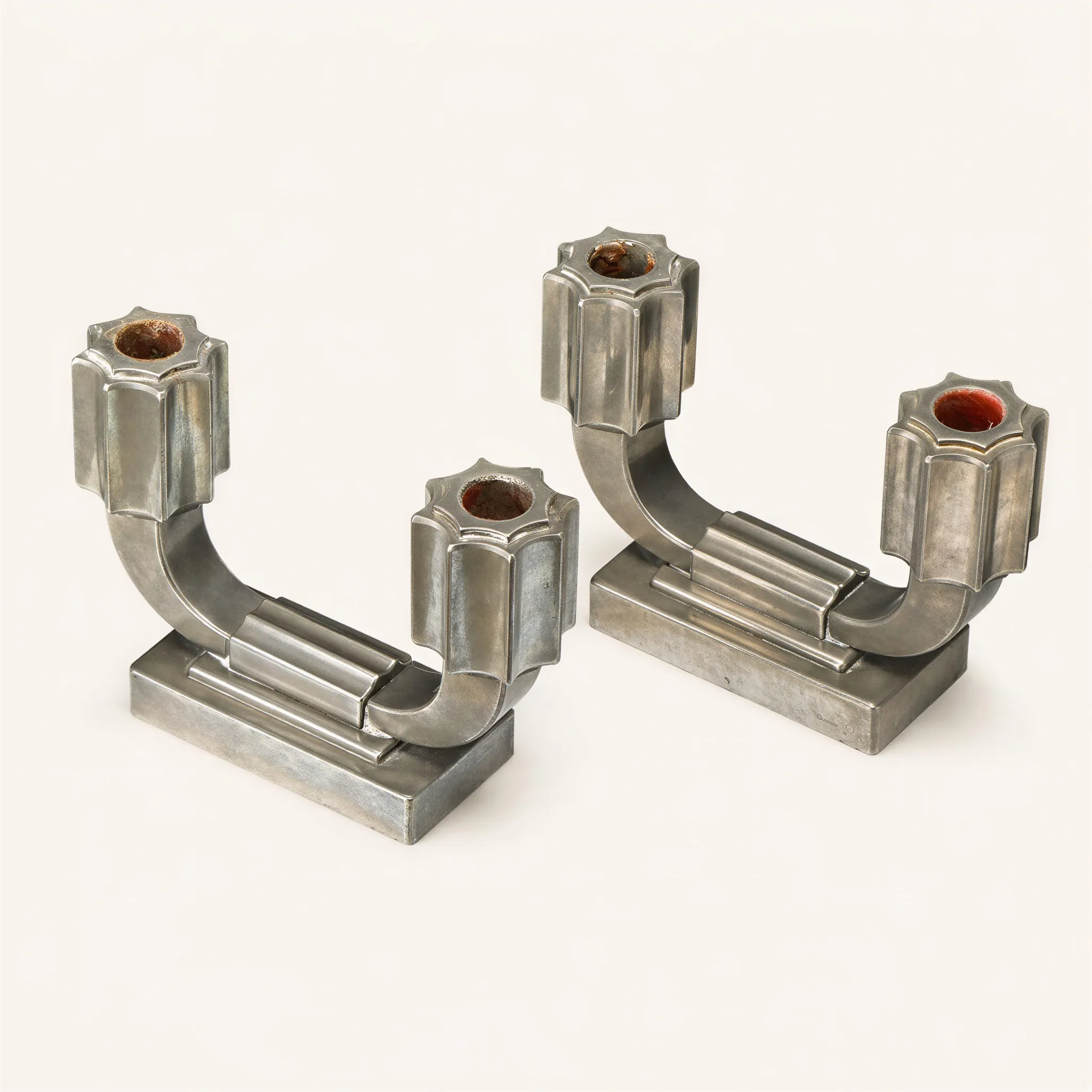
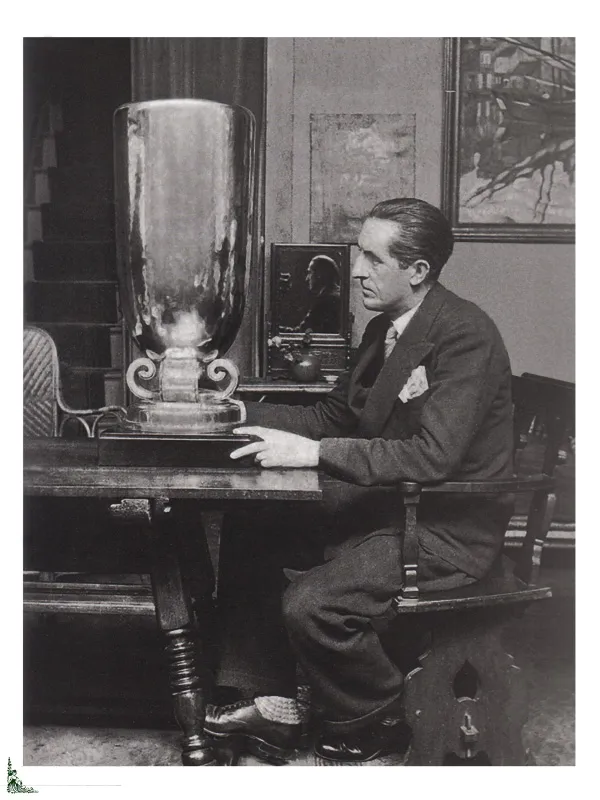
Maurice Daurat was a major French silversmith, “dinandier” (metalsmith), and sculptor of the Art Deco period. Trained at the École Germain Pilon, he established himself as one of the greatest metal masters of his era, elevating pewter, a material then largely despised, to an elite art form. His highly sober style, blending the power of sculpture with clean geometric lines, embodies the uncompromising modernism of the interwar years.
Biography
After experimenting with bronze, copper, and silver, he turned permanently to pewter in 1906. He selected this metal for its muted, twilight-like luster, designing simple forms that broke radically from the highly ornate or floral designs of the early century.
Following his service in World War I, he resumed his studio work, further streamlining his creations. His geometric rigor achieved immense success at the 1925 International Exhibition in Paris, where winning a Grand Prix solidified his global renown.
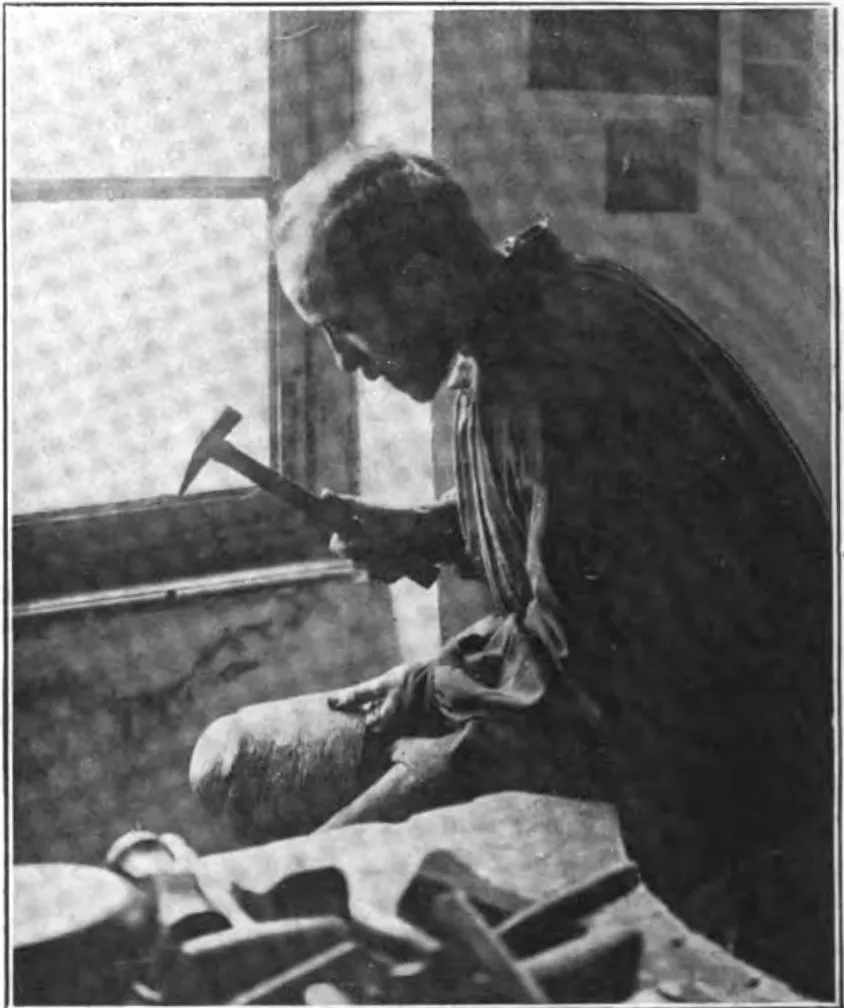
Rejecting industrial casting and chasing, Daurat favored hammer-raising and assembling his forms directly by hand from a thick metal sheet. This rigorous craftsmanship granted his vases, bowls, and platters a unique sculptural vibration and texture.
His genius also expressed itself on a colossal scale. He designed ceremonial vases for the legendary ocean liner “Normandie“ in 1935, and later created a monumental light-fixture vase standing over 3 meters tall for the Palais de Tokyo rotunda during the 1937 Exhibition.
"Maurice Daurat is as much a sculptor as a silversmith: he creates hammer-raised forms, entirely worked by hand, and looks back to the ancient tradition of pewter potters.”