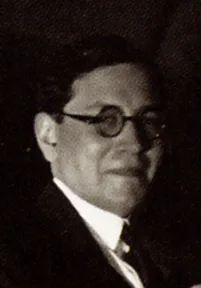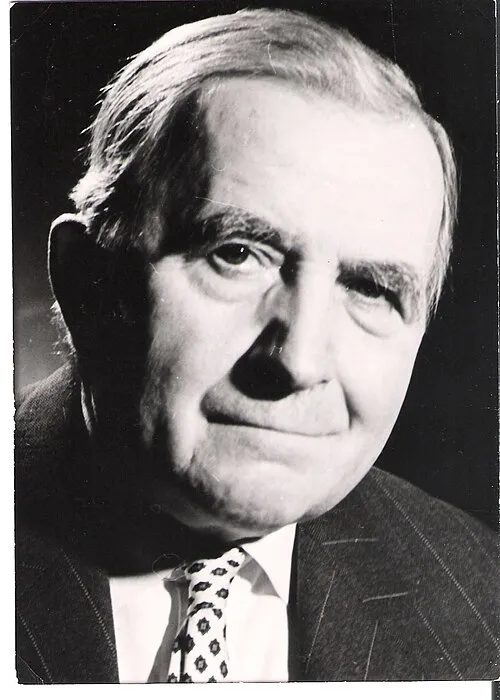
Paul Bonifas
1893 – 1967
Paul Bonifas was a Swiss ceramicist, theorist, and educator, and a major figure in 20th-century modern ceramics. Closely aligned with the Purist theories championed by Le Corbusier and Amédée Ozenfant, he infused his earthenware creations with geometric rigor and a great purity of line. His career, divided between Switzerland, France, and the United States, deeply influenced the evolution of art pottery toward a streamlined, modern aesthetic.
Biography
Born into an artistic family in Geneva, he trained in decorative arts before developing a passionate interest in clay. In the early 1920s, he contributed to the famous avant-garde journal “L'Esprit Nouveau”, sharing with Le Corbusier a vision of everyday objects stripped of all superfluous ornamentation.
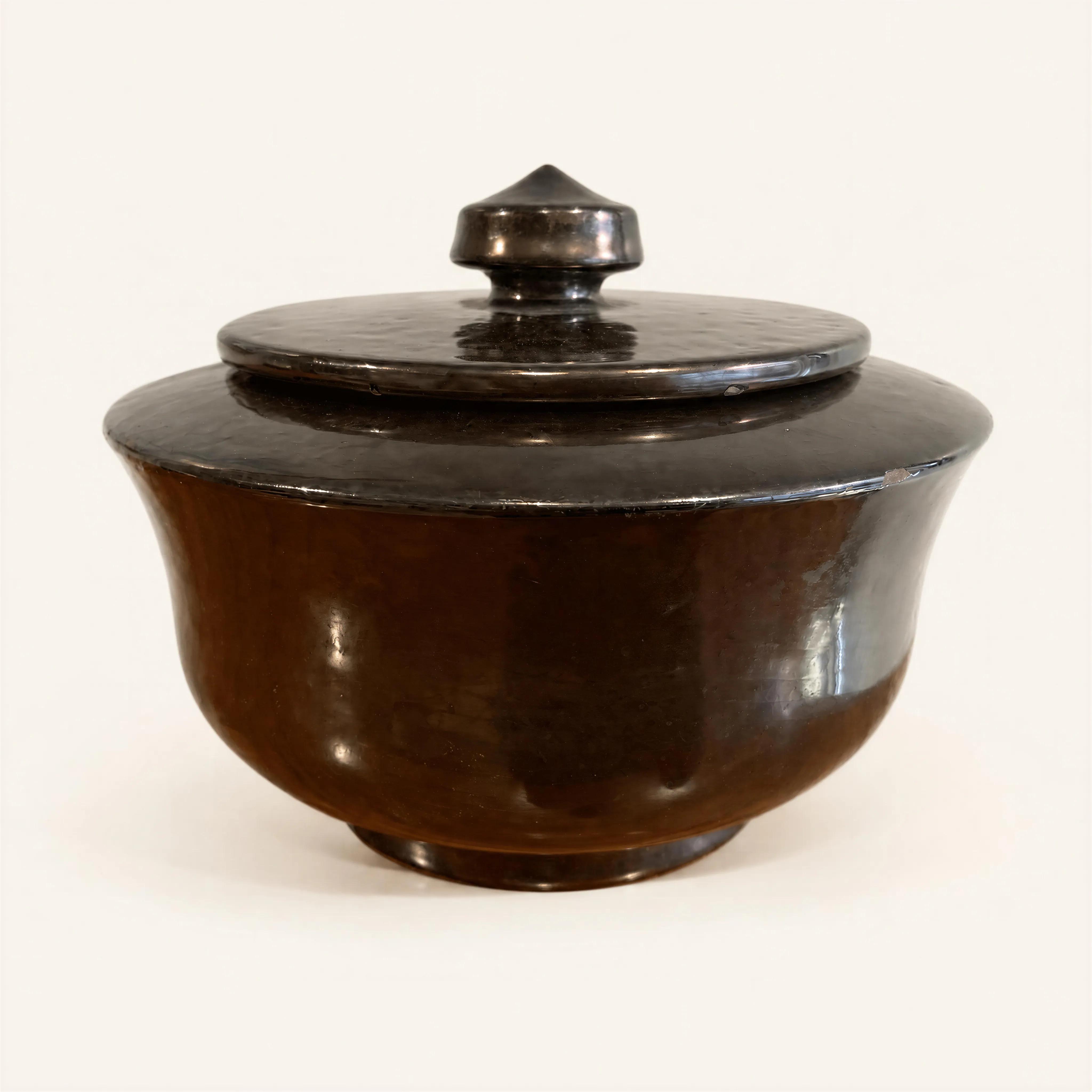
In 1922, he founded his own workshop in Ferney-Voltaire, France, right on the Swiss border. There, he produced utilitarian and decorative pieces of great sobriety, characterized by quasi-architectural forms and perfectly regular thrown or cast pieces.
Bonifas conducted scientific research into the composition of clays and glazes, becoming famous for his deep blacks, matte textures, and satin finishes. His works, which married formal rigor with a tactile sensuality, enjoyed great success at major international exhibitions during the 1920s and 1930s.
Marked by the upheavals of World War II, he emigrated to the United States in 1945. He was then invited to head the ceramics department at the University of Washington in Seattle, where he taught his technical expertise and modern philosophy to a whole generation of American ceramicists until his retirement in 1959.