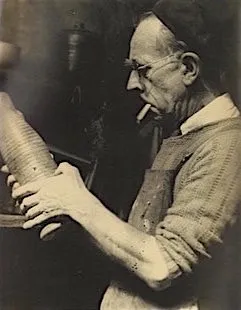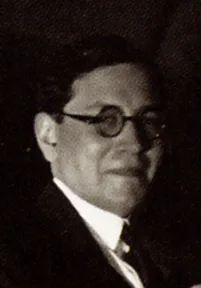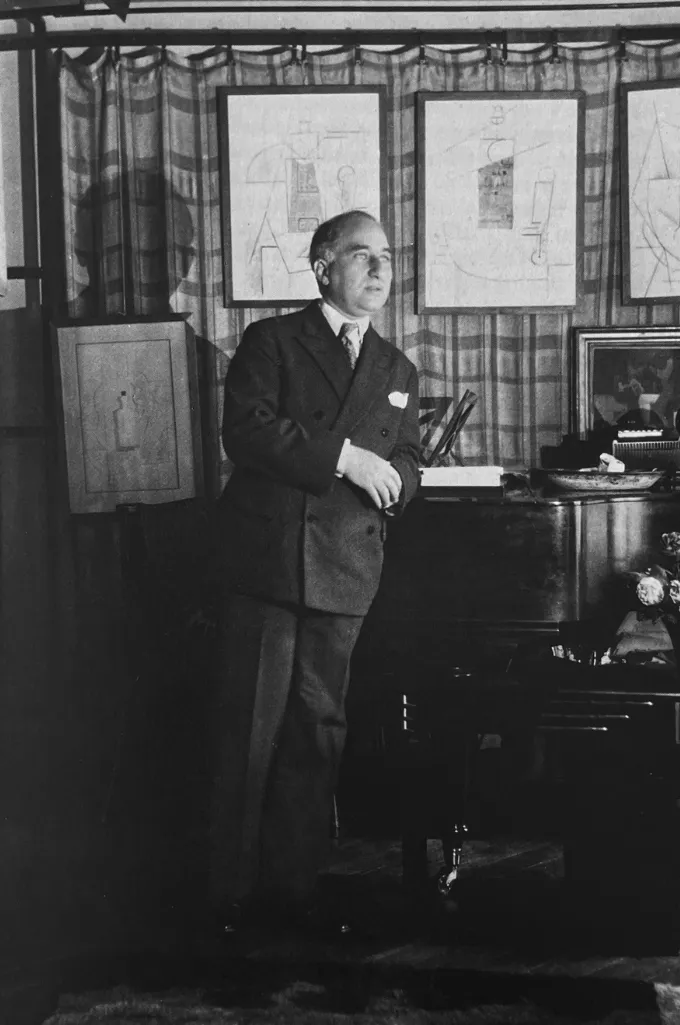
Pierre Chareau
1883 – 1950
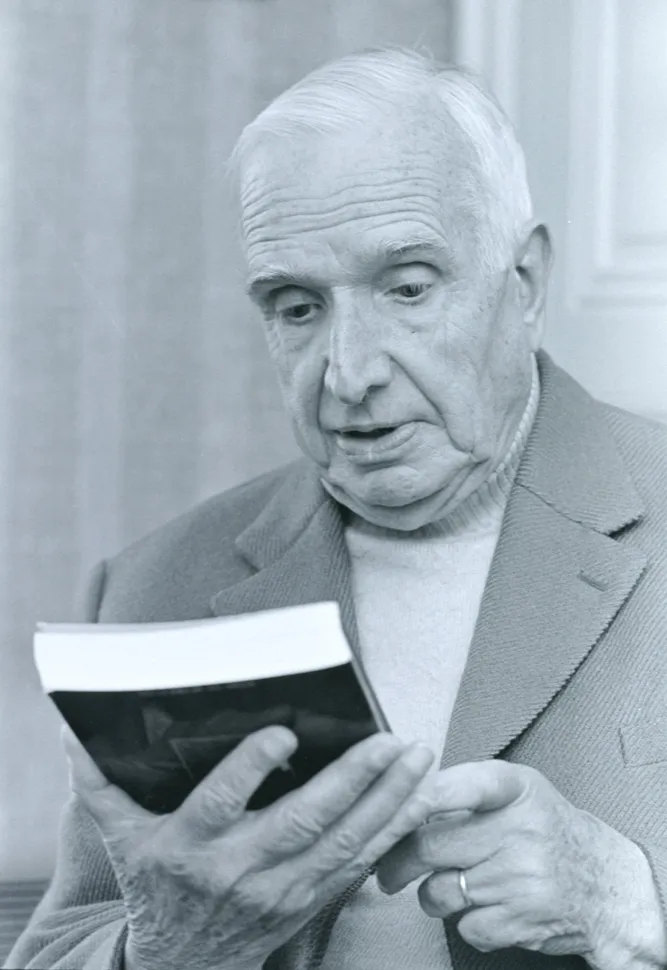
Pierre Chareau was a major French architect and designer, and a pioneer of the Modern Movement and functionalism in the 20th century. Celebrated for his innovative approach combining wood, metal, and glass, he is internationally renowned for designing the legendary Maison de Verre (House of Glass) in Paris. As a co-founder of the Union des Artistes Modernes (UAM), his kinetic furniture and flexible spatial layouts deeply redefined interior living during the interwar period.
Biography
Born in Bordeaux, Pierre Chareau studied at the École des Beaux-Arts in Paris before joining the Paris branch of the prestigious British design firm Waring & Gillow as a draftsman. After serving in World War I, he opened his own workshop and boutique in the early 1920s, quickly establishing himself as an outstanding interior decorator and furniture designer.
Between 1928 and 1932, he completed his architectural masterpiece, the Maison de Verre (in the 7th arrondissement of Paris), in collaboration with Dutch architect Bernard Bijvoet and master ironworker Louis Dalbet. This revolutionary building utilized glass blocks and an exposed steel structure to achieve unprecedented transparency and spatial fluidity. In 1929, breaking away from the decorative traditions of the era, he co-founded the Union des Artistes Modernes (UAM) alongside figures like Le Corbusier, Robert Mallet-Stevens, and René Herbst.
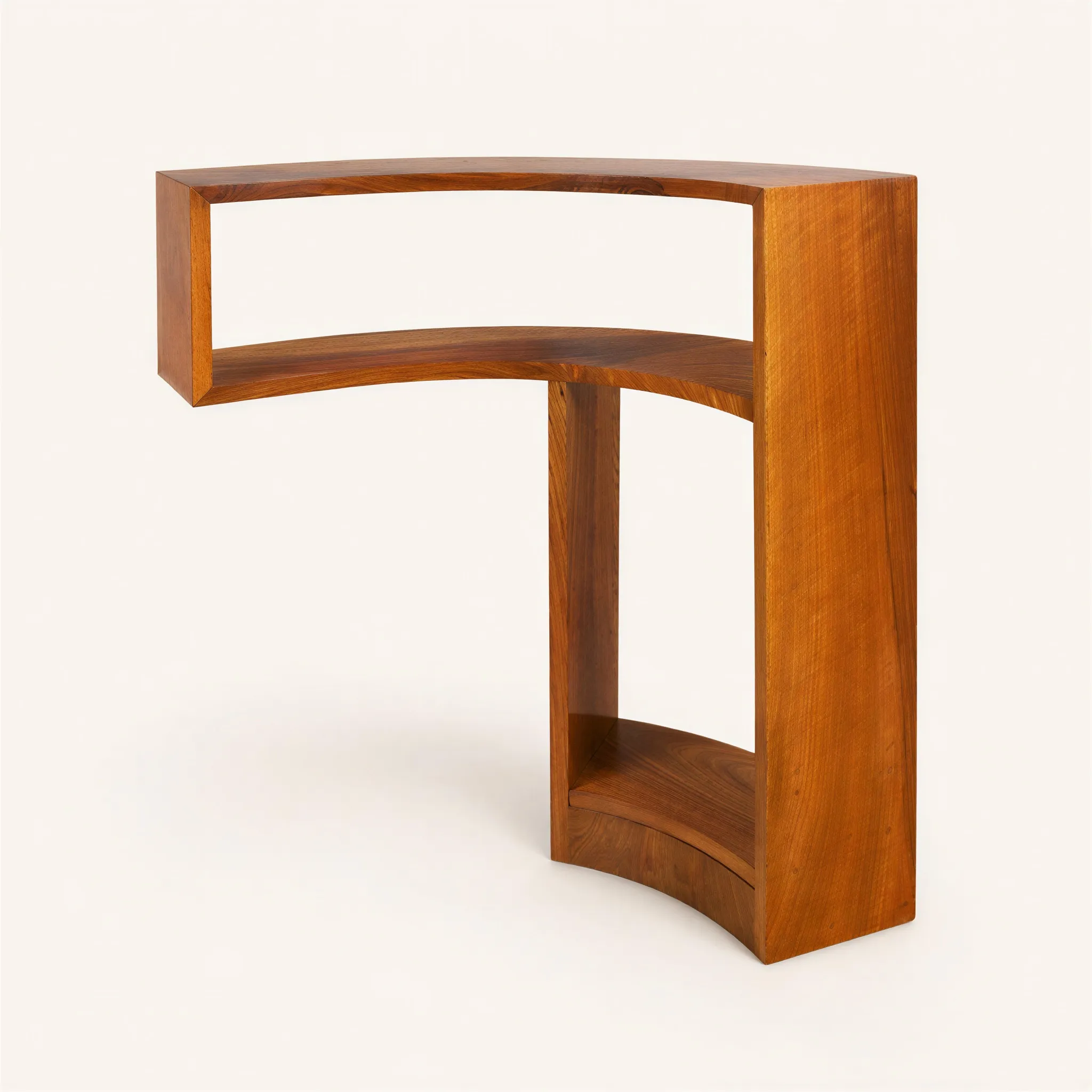
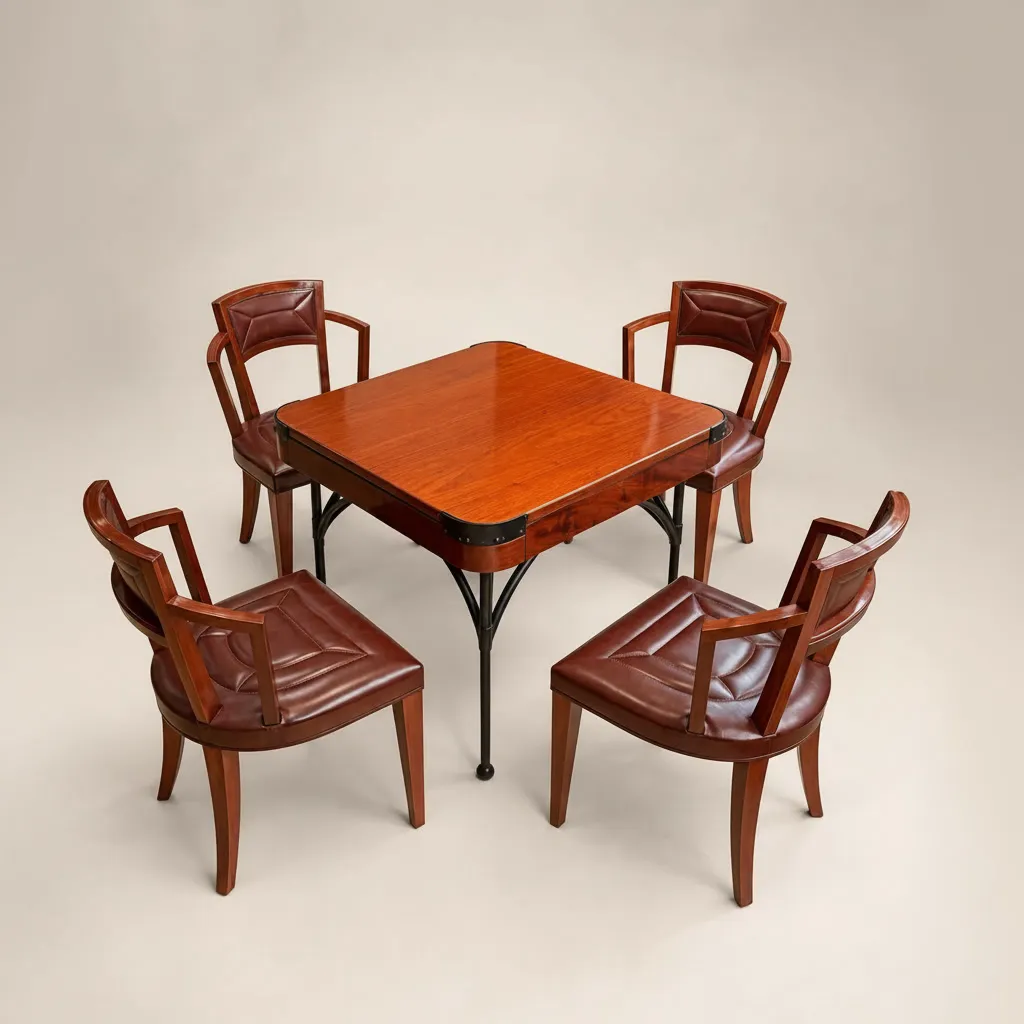
Chareau's style is characterized by contrasting materials (precious wood veneers, wrought iron, steel) and a constant pursuit of modularity. His most iconic pieces, such as his articulated desks, often incorporated pivoting or movable mechanisms (known as "kinetic" furniture) designed to adapt precisely to the user's needs.
Due to his Jewish heritage, Chareau was forced to flee occupied France in 1940 and went into exile in the United States. In New York, he continued his design work and realized his last notable architectural project: a studio for the American Abstract Expressionist painter Robert Motherwell in East Hampton (1947). He passed away in exile in 1950, leaving behind a visionary body of work that prefigured contemporary industrial design and minimalism.
"Furniture must not be cumbersome, talkative visitors, but discreet servants, knowing how not to bother us with their trappings.”