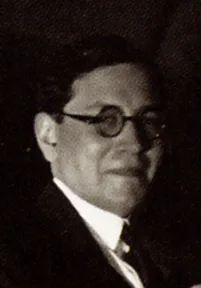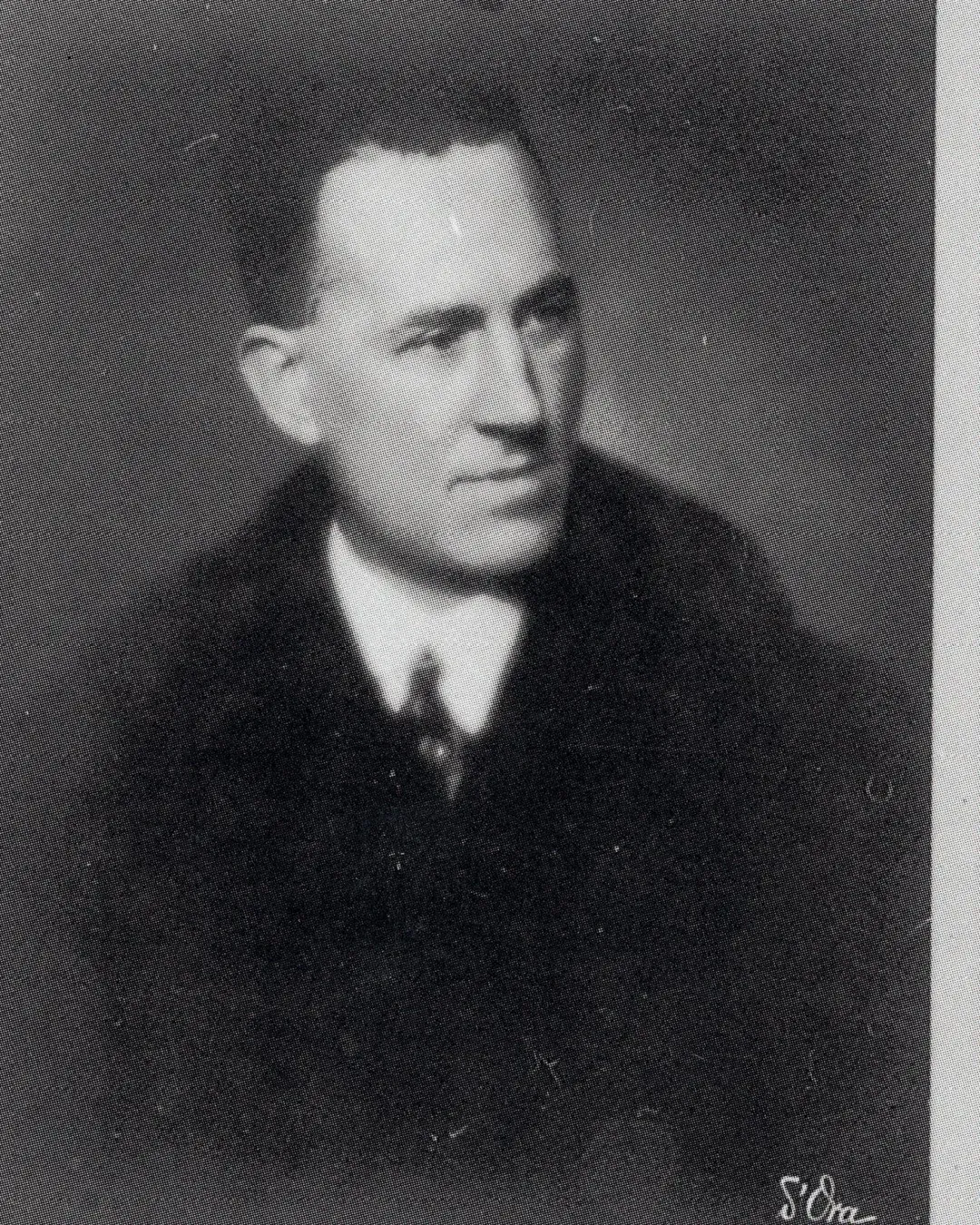
Pierre-Émile Legrain
1889 – 1929
Pierre-Émile Legrain was a brilliant French master bookbinder, cabinetmaker, and interior designer who stood as a revolutionary figure of the Art Deco movement. A protégé of the legendary fashion designer and collector Jacques Doucet, he reinvented modern bookbinding by introducing dynamic geometry and bold materials. His body of work, bridging African tribal art influences and avant-garde painting, makes him one of the most innovative creators of the 1920s.
Biography
Trained at the École Germain Pilon, he began his career as a magazine illustrator before a pivotal 1917 encounter with patron and couturier Jacques Doucet, who commissioned him to design custom bookbindings for his modern art library.
Breaking away from traditional floral motifs and classical gilding, Legrain applied Cubist painting principles and abstract geometry to book covers. He innovated by incorporating shagreen, pewter, mother-of-pearl, and exotic leathers to construct tactile, architectural bindings.
For Doucet’s studio in Neuilly, he designed legendary furniture pieces, most notably sculptural chairs inspired by African royal stools, masterfully blending tribal aesthetics with European luxury.
Co-founding the "Groupe des Cinq" in 1926 alongside Pierre Chareau, Jean Puiforcat, Raymond Templier, and Maison Dominique, he embodied the forefront of French modern design until his tragic and sudden death in 1929 at just forty years old.
"A bookbinding must no longer be an anonymous garment, but a visual and poetic interpretation of the spirit of the book it protects.”