Ernest Chaplet
1835 – 1909
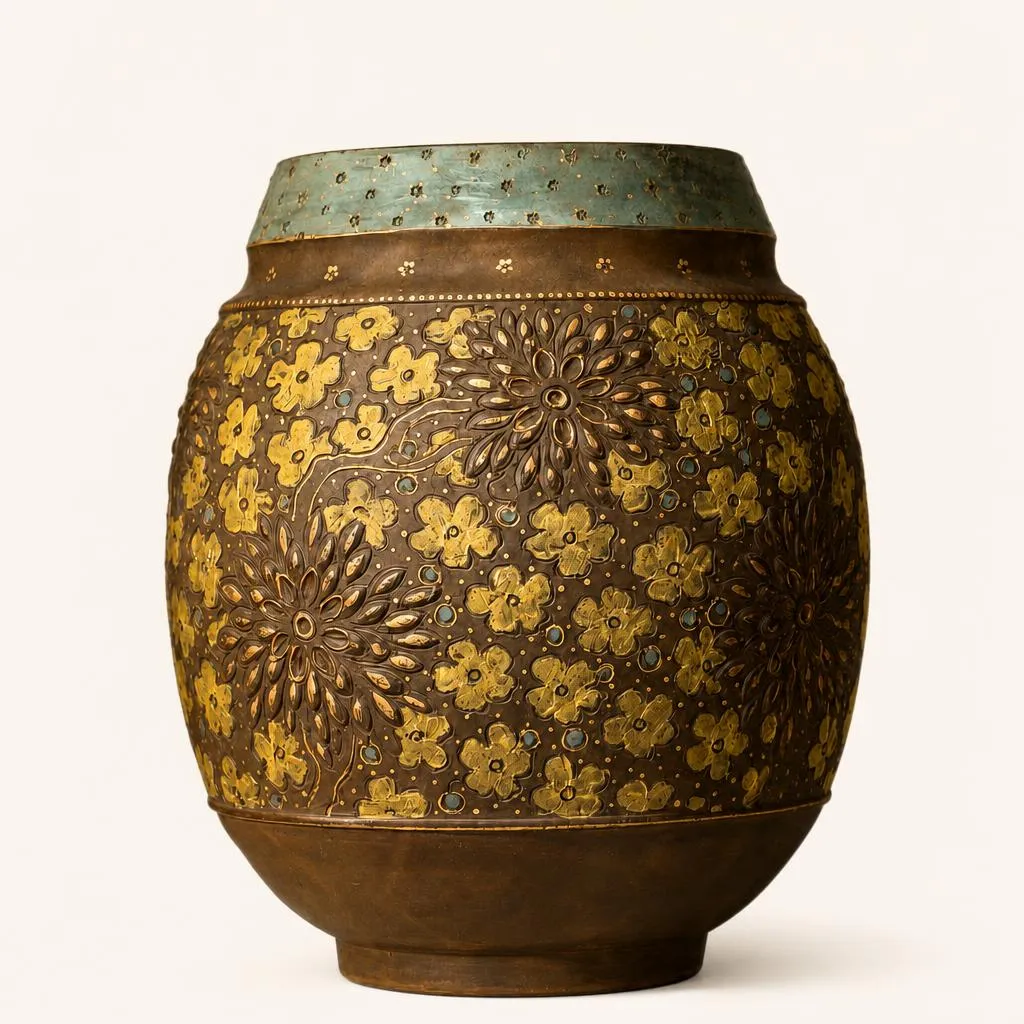
Ernest Chaplet transformed ceramics by liberating the material from purely utilitarian function. By introducing high-fired stoneware (grès grand feu) and reviving the art of artfully controlled glazes, he established himself as the leading figure of a captivating artistic renaissance at the intersection of Impressionist painting and avant-garde sculpture.
Biography
Ernest Chaplet began his career at the Sèvres Manufactory as a porcelain painter before joining the Laurin workshop in Bourg-la-Reine. It was there that he developed the technique known as colored barbotine on earthenware, or 'gouache on clay’, an innovative process that caught the attention of the art world and captivated many Impressionist painters of his time.
In the early 1880s, he collaborated with Félix Bracquemond and joined the Parisian workshop on Rue Blomet under the aegis of the Haviland firm. There, he gradually abandoned painted decoration in favor of raw material and high-fired stoneware. From 1886 onward, based in Choisy-le-Roi, Chaplet forged major collaborations with leading artists, notably sculptor Auguste Rodin and painter Paul Gauguin, shaping stoneware ceramics for the latter to carve or incise.
Devoting the final part of his life to the pursuit of Asian-inspired glazes, in particular the quest for the legendary 'sang de bœuf' (oxblood), he mastered extreme high-fire kiln techniques. His creations, characterized by refined shapes and dense, iridescent, or flamed glazes, earned him international acclaim, crowned by a gold medal at the 1889 Universal Exposition.
“The potter is an alchemist who subjects earth and fire to his own plastic vision, coaxing a living, unpredictable substance from the crucible of the flames.”